1.9 million Australians have a new GP. It isn’t you.
May 15, 2026
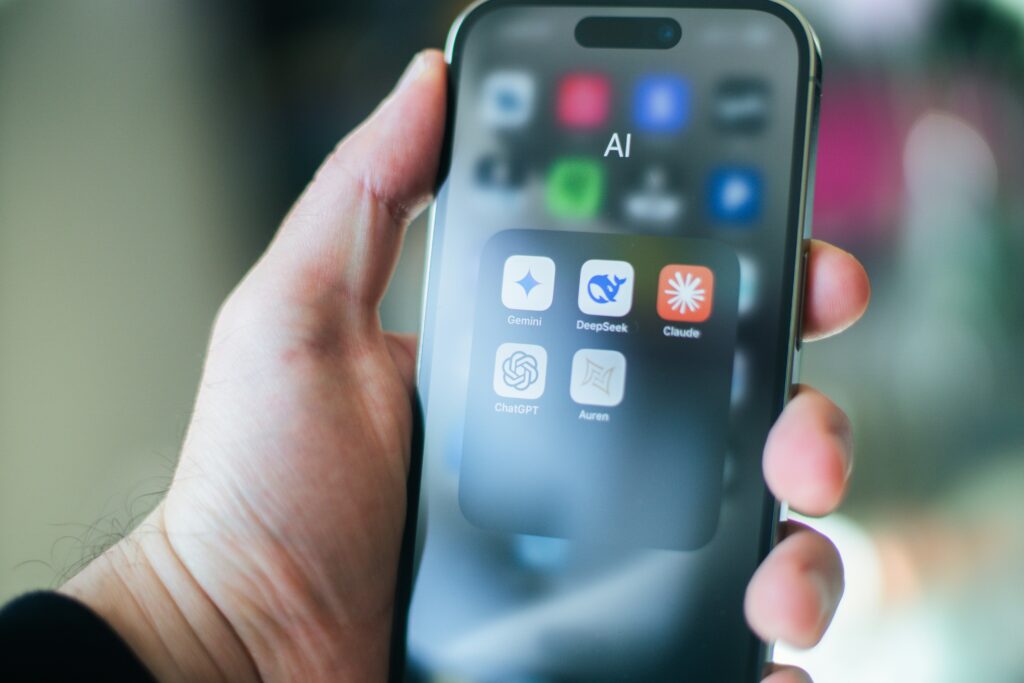
In the first half of 2024, an estimated 1.9 million Australian adults asked ChatGPT a health question.
That number comes from a nationally representative survey published in the Medical Journal of Australia in March 2025. It is what 9.9% of a 2,034-person sample reported they had actually done in the six months prior. Roughly the population of Adelaide, walking past their GP and asking a chatbot first.
The survey was conducted in mid-2024. By now, that number is almost certainly higher.
The story underlying the data is about what patients do when the system is too slow or too difficult to navigate, and what it means for the future of AI in general practice.
What the data on patients using ChatGPT shows
The 9.9% headline gets cited everywhere, but it’s the patterns underneath that tell the real story. ChatGPT use was higher, not lower, among Australians with limited or marginal health literacy.
Among users, 18.4% had limited or marginal health literacy. Among non-users, the figure was 9.4%. The narrative that AI is a tool for the digitally-fluent does not hold up under the data.
People are reaching for it when they find the formal system too hard or too expensive to navigate.
Use was also substantially higher among Australians born in non-English speaking countries (29.2% of users, against 18.4% of the broader sample). Among people who speak a language other than English at home, 38.0% had used ChatGPT for a health question, compared with 24.2% of the sample overall. ChatGPT is functioning as a translation layer for cohorts the system has historically served poorly.
The most concerning part is what people are using it for.
61% of users asked at least one higher-risk question. That category includes asking what symptoms mean, asking what to do about a specific health issue, asking whether they should see a doctor, and asking ChatGPT to interpret blood test or imaging results. These are questions that, historically, would go to a clinician.
Trust in the responses sat at a moderate 3.1 out of 5. Patients are using ChatGPT knowingly, with calibrated expectations, and they are doing it anyway.
The third person in your consult room
The patient sitting in front of a GP today may have already asked an AI what their symptoms might mean, and what they should do about them. They may have a translated explanation of their last blood test pulled up on their phone. They may have arrived with a list of follow-up questions seeded by a chatbot during the wait.
The interaction looks different from a Google search, which points people to references and leaves them to their own devices, without offering an opinion or any personalisation. ChatGPT asks follow-up questions, holds context across a thread, and produces something that feels like advice rather than search results. Patients arrive at the consult partially informed and looking for validation or correction.
Clinicians are already grappling with this shift, and the instinct for some will be to push back. Don’t believe what ChatGPT tells you. It gets things wrong.
That instinct is understandable. Early models did get things wrong, sometimes in ways that made the news… but it misreads the moment. The patient using ChatGPT to translate a pathology report into plain English is looking to participate in their own care.
The choice that matters is what the practice does with that.
What AI in general practice means for the tech stack
If patients are using AI to access and contextualise their healthcare, and the data says they are, that has implications beyond the consult room. It changes what a modern practice looks like. It changes which tools belong in the workflow. And it raises a question most practice owners haven’t yet sat down to answer.
What does our technology stack need to do for our patients, not just for us?
The technology already exists. AI scribes, patient-facing explainers, secure ways to bring AI into the clinical workflow rather than around it. None of this is theoretical. The hard part is choosing what fits a specific practice without being dragged into a wholesale platform change every time the market produces something new.
That is a harder problem than it looks, and it sits on top of the workforce pressures already documented in the RACGP’s Health of the Nation 2025 report. It is not one solo GPs or stretched practice managers should be expected to solve alone.
The conversation worth having
This is part of what’s on the agenda for Evolution or Extinction of the GP Landscape, a session at the Digital Health Festival on 20 May featuring our Chief Product Officer, Jayne Thompson and Dr Max Mollenkopf.
If you’ll be at the festival, come along. If not, watch this space.