Re-thinking general practice beyond the clinic walls

Re-thinking general practice beyond the clinic walls

by Dr Gaveen Jayarajan

This article was originally published by GPRA Futures, a dedicated showcase of future thinkers, provocateurs, and healthcare innovations from visionary start-ups to established developers.

Can you please give a brief overview of your career to date, including qualifications and career pathway?

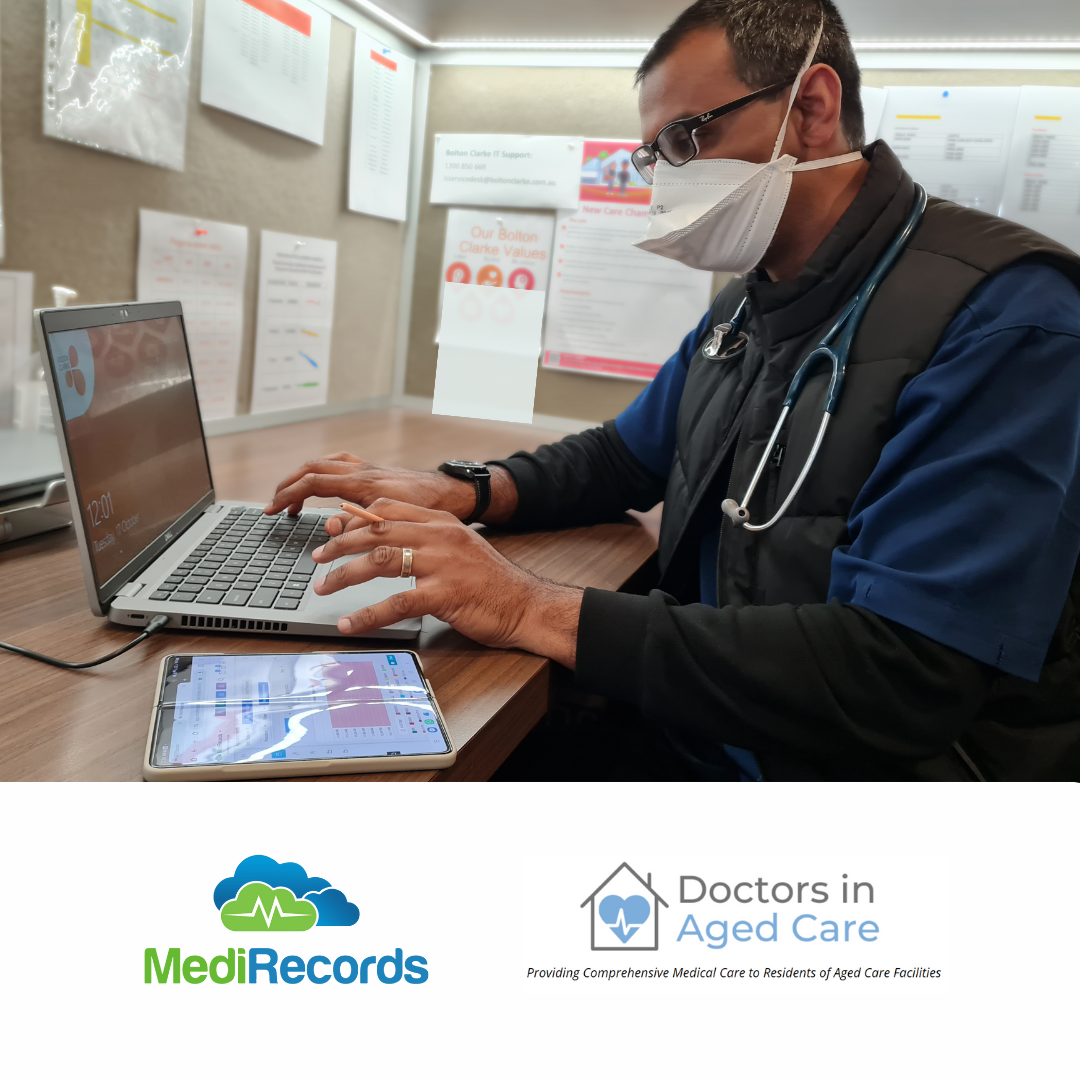
I graduated from The University of Melbourne in 2003 then worked in public and private hospitals as a resident and locum doctor for 4 years before starting my GP training, which I finished in 2010. I then worked full-time in several GP clinics till 2017, after which I moved to focus on full-time work in aged care, only visiting residential aged care facilities as part of a mobile GP practice. In 2022 I started my own solo mobile GP practice, Doctors in Aged Care, and continue this work today.

This year we became one of the first AGPAL-accredited mobile GP practices in Australia, accredited under the RACGP 5th Standards as a non-traditional practice without a physical premises/consulting rooms.

Doctors in Aged Care also has a dedicated Facebook Group with over 2700 doctor members where peer-to-peer learning and discussion occurs about all things related to aged care from administration, Medicare, clinical and organisational aspects.

What is the product you are using?

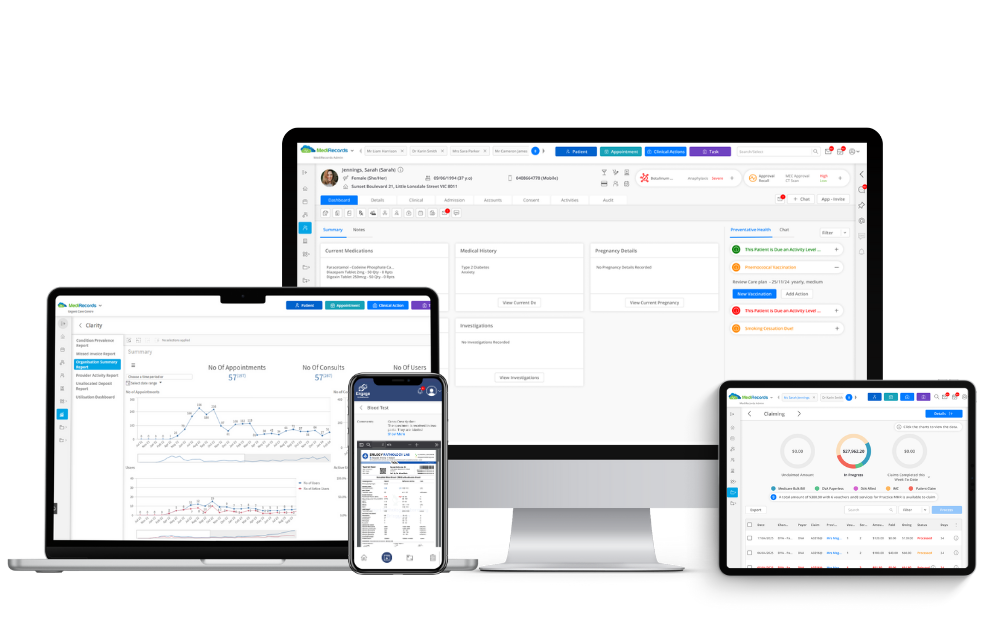
I use MediRecords as my clinical and practice management software as it gives me much greater reliability and speed working in mobile settings and without relying on remote access connections to access server-based software. It also provides much greater security along with automatic backups and ensures my IT costs are kept to a minimum by avoiding the need to pay for expensive third party IT service providers and maintaining hardware such as servers.

I also use Snapforms for various online forms that integrate directly into MediRecords and can auto-populate fields — for example, using an online new patient registration form that automatically creates a new patient file in MediRecords with certain demographic fields populated and a copy of the form automatically uploaded to the Correspondence tab.

I don’t use any AI software at present, but I do use a text shortcut software called Phrase Express to speed up my note-taking significantly.

What do you see as some of the enablers and barriers to health innovation in primary care in Australia?

Enablers include the current economic climate with rising costs across the board meaning we need to find new ways of doing things in order to be leaner, more efficient and thus more financially sustainable. I think there is openness to such innovation amongst the GP community.

Barriers include current operating models where GPs are operating their own independent medical practices within a common physical premises with the Practice Owner providing administrative and support services. Owners somehow need to cater to the needs of these individual GPs running their own practices and be able to customise their offering to each GP without increasing their costs too much.

A significant change — like a change of practice software — is harder to achieve in this situation as buy-in from many independent doctors is needed, who won’t necessarily see any direct financial benefit if their services fees remain the same and may be resistant to alterations to their usual workflows.

What do you think the future of general practice looks like?

I think the future of general practice will need to move towards one that is underpinned by modern cloud-based software that is more secure, scalable and interoperable. One where face-to-face visits are complemented by phone and video consultations as well as asynchronous communications via cloud-based patient portals, where patients have more access and visibility over their own patient health records.

It will incorporate new operating models such as the use of more virtual or remote administrative and support staff to reduce operating costs and improve financial sustainability. GPs must expand their service offerings and become more accessible to counter the effects of the Telehealth/Online-only providers that are providing more convenience to patients, but without the continuity of care that patients should expect.

Why is it important GPs are involved in health innovation/new technology design?

GPs should be involved in the early stages so the products built are fit for purpose and designed with fewer iterations and ultimately lesser time and cost. Incorrectly designed software will get very little traction amongst GPs, who will not have the time to see patients and adjust to this with work-arounds.

What would you say to early career doctors about general practice/primary healthcare?

Early career doctors should ensure they get the broadest exposure to General Practice through the different medical centres they work in, and later on consider sub-specialisation into a niche area that suits their interests and abilities and meets their financial and lifestyle objectives and family needs.

Let the work fit into your life, not the other way round!

This article was originally published by GPRA Futures, a dedicated showcase of future thinkers, provocateurs, and healthcare innovations from visionary start-ups to established developers.

Opening a medical practice involves more than finding a location and hiring staff. From Medicare compliance to digital health registrations, there are many steps to get right. We’ve simplified the process into a practical checklist to help you launch a modern, compliant clinic with confidence.

Why choosing a Practice Management System shouldn’t be a marriage for life

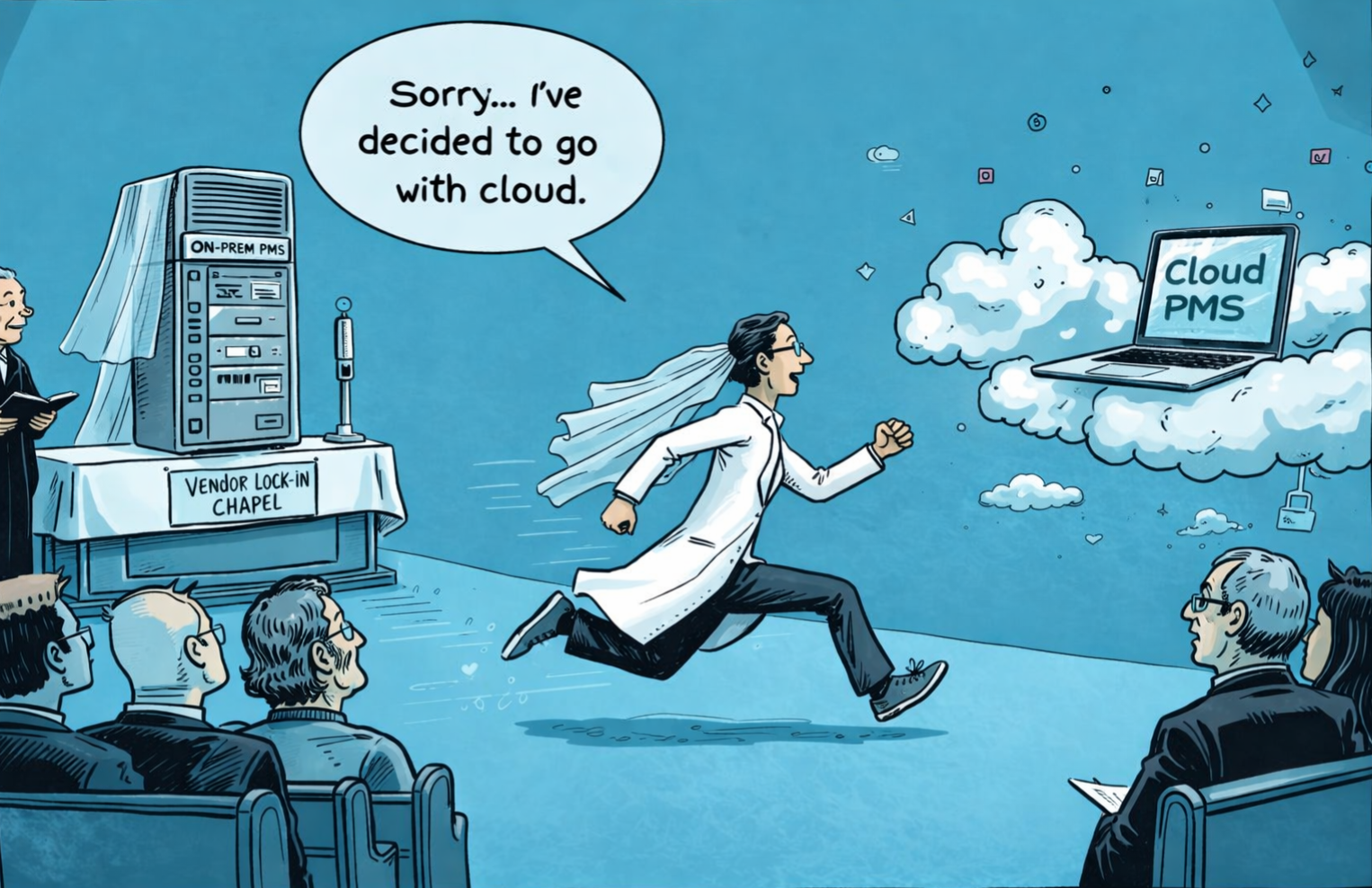
Why choosing a Practice Management System shouldn’t be a marriage for life - but neither should it be married at first sight

by Tim Pegler

Choosing a Practice Management System (PMS) is not a decision to take lightly.

Like a significant other, a PMS needs to be dependable, adaptable, and easy to spend time with. It should be open to growth, including making new connections. It should not be stuck in the past.

However, for time-poor clinicians their clinical software is all too often a set and forget decision. It’s the equivalent of ‘til death do us part’ (or the servers need replacing). Until then, inertia wins the day.

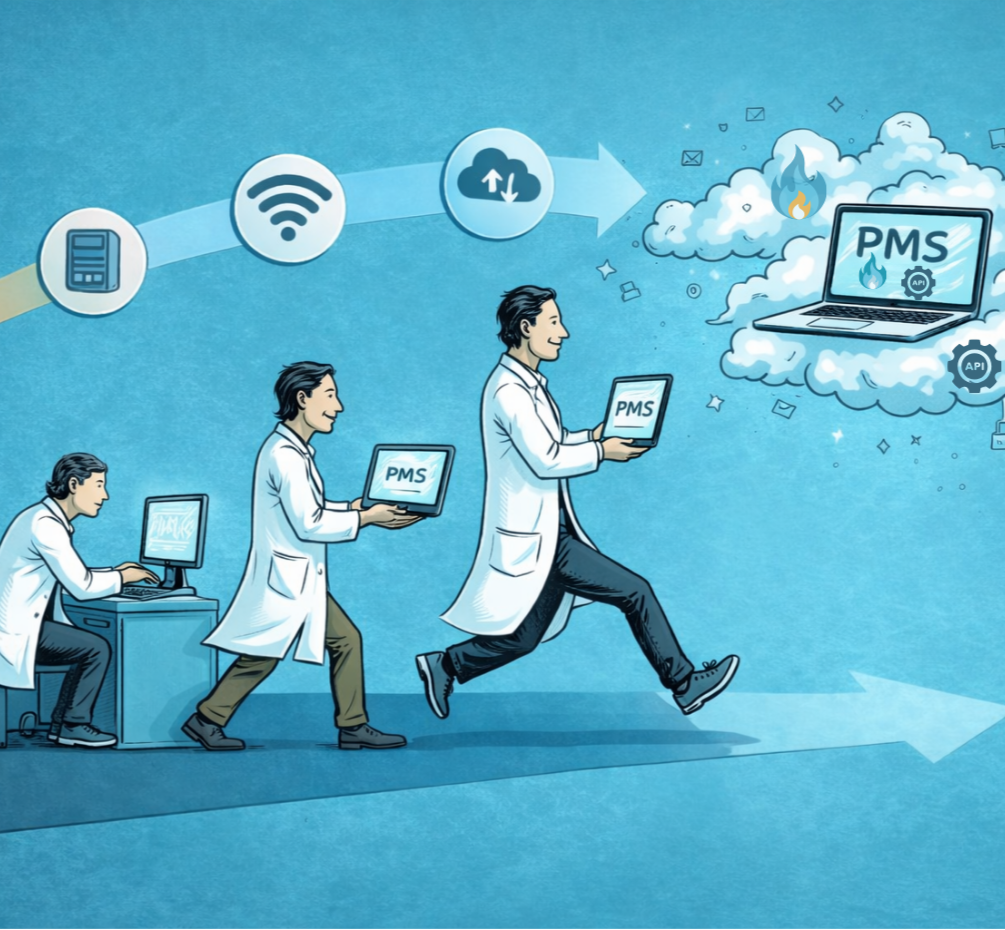
Fortunately, Australian healthcare is at a crossroads. There’s never been a better time to review technology partnerships, following Federal Government confirmation the future of healthcare is cloud-first and FHIR-enabled.

This doesn’t mean it’s time for a software swingers party or a married at first glance impulse buy. Migrating to a new Practice Management System can be complicated. Here are six things to consider carefully if you’re ready to reconsider your pairing:

1. Technology is evolving. Your PMS needs to keep pace

The Federal Government preference for cloud-hosted technology with FHIR (Fast Healthcare Interoperability Resources) connectivity is pragmatic and based on worldwide trends. There are rising expectations for data to be shared from Primary (e.g. GP) to Tertiary (e.g. hospital) care organisations in real time because communication silos create risk. Consumers increasingly expect access to their data – and their doctors – wherever they are. Your technology needs to support this with secure integration to government systems. Ask your vendors: 

  • What security certifications do they have? 
  • Are they conformant with government regulations for prescribing safely? 
  • How often do they release product updates and how easy are these to install? 
  • What’s on their roadmap?

2. Scalability inot negotiable

Growth looks different for every organisation. You might: 

  • Add multidisciplinary teams for holistic, shared care 
  • Expand to multiple sites 
  • Provide a combination of face to face and telehealth care 

A scalable PMS accommodates growth rather than impeding it. This is why cloud systems have become the modern standard; they scale effortlessly, securely, and cost effectively. 

3. Remote workforces are here to stay

The pandemic changed healthcare forever, resulting in workforce casualisation, proliferation of virtual care services, and teams working from anywhere with Internet access. Your preferred PMS needs to be limber enough to support: 

  • Telehealth consultations 
  • Distributed administrative teams 
  • After hours clinical care 
  • Offsite reporting, billing, and triage 
  • Multilocation collaboration 

If your workers are grinding away via legacy remote desktop systems, you’re likely to be losing time, money and team morale.  

4. API connectivity iessential 

API and FHIR interoperability enable innovation. Look for a PMS technology partner with open, well documented APIs ensuring secure connection with: 

  • AI-powered tools to enhance efficiency 
  • Digital front doors 
  • Patient engagement portals 
  • Medication dispensing and delivery systems 
  • And much more. 

A PMS that resists integrations is holding your organisation back. (To read about MediRecords’ connectivity, check out Connect by MediRecords – Connected Health Care.)

5. Look at the big picture on budget 

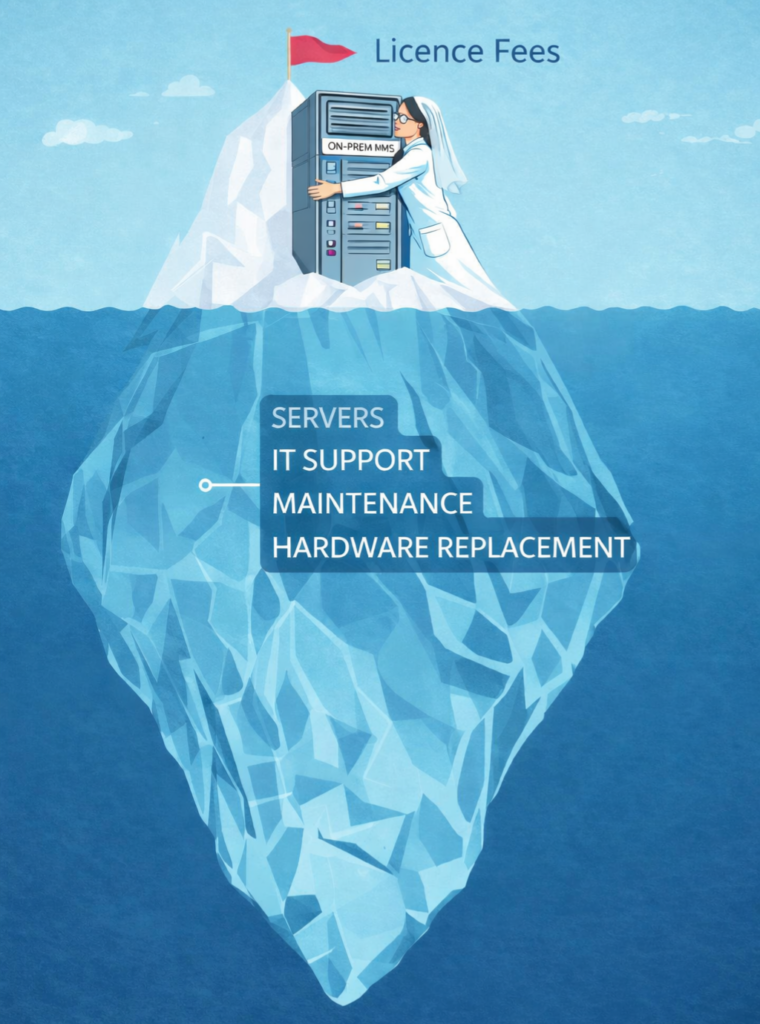
A wedding costs more than a dress, rings, catering and flowers. Factor in photography, suits, vehicle and venue hire, celebrants, music, and so much more. Licence fees for a server-based or hybrid PMS may be attractively low, but you need to budget for desktop downtime and IT support for managing your back-ups, software updates and security patches, not to mention the hardware, building and utilities expenses for owning, running and cooling servers. A server is a short-term investment; you’re committing to $40k or more, each time you replace the hardware. You also need to dispose of it securely and, ideally, sustainably. 

Cloud PMS systems mean you can ghost server issues, swipe left on IT contractors and let your technology partner automate software management for you. 

6. Where do you see yourself in a decade? 

People change. So does the healthcare sector. Hospital-, aged-, and palliative care will increasingly be delivered at home, to maximise patient comfort and convenience, and minimise costs. Can your nursing teams deliver patient care wherever they need? 

Actively seek PMS software with the flexibility to satiate new needs as they arise.  

If it’s not marriage for life, what is it?

Think of your PMS as a long-term partnership, built on performance, adaptability, and trust. You shouldn’t feel trapped by it. You shouldn’t choose it impulsively. You should feel confident it’s the right pairing for today and tomorrow. If it’s cloud-based, scalable, FHIR-enabled, and API-driventhat’s a lot of green flags. 

Moving forward

If you’re considering opening a new business, MediRecords’ Complete Medical Practice Startup Blueprint provides a comprehensive checklist on things to work through. 

If your existing business is looking for a new technology partner, please book a call via [email protected] so we can discuss your requirements. 

Opening a medical practice involves more than finding a location and hiring staff. From Medicare compliance to digital health registrations, there are many steps to get right. We’ve simplified the process into a practical checklist to help you launch a modern, compliant clinic with confidence.

What a difference the cloud makes – why GPs need to look up when seeking software

What a difference the cloud makes - why GPs need to look up when seeking software

This article was originally published by The Medical Republic and can be viewed in its original format here.


Matthew Galetto - Founder and CEO of MediRecords

 At the recent Wild Health Summit – Towards One Health System, MediRecords hosted a breakfast panel called, “What a Difference the Cloud Makes.” It was a chance to have a real conversation about where general practice IT is headed, and where it should be. 

One of our panellists, Peter O’Halloran, Chief Digital Officer at the Australian Digital Health Agency, was asked a simple question: 

“If you were setting up a general practice today, would you go cloud or on-premise?” 

His answer was unequivocal. Cloud technology is essential. 


The RACGP’s cloud guidance feels out of step 

That’s why it’s a bit jarring to read the RACGP’s own guidelines on cloud computing, which still lean heavily towards on-premise systems and paint the cloud as risky. 

From where we sit, as a healthcare cloud provider working with GPs every day, this doesn’t reflect reality. 

The idea that practices are better off managing their own servers, software, patches, backups, and security just doesn’t stack up in 2025. Most clinics don’t have dedicated IT staff, and even if they do, securing on-prem systems to the same standard as cloud platforms is near impossible. 

Cloud providers like MediRecords deliver: 

  • Continuous updates and security patches, 
  • Encryption by default (at rest and in transit), 
  • Secure, redundant backups, 
  • Access controls, audit logs, and role-based permissions, 
  • Always-on monitoring by specialised teams. 

These aren’t “nice-to-haves”. They’re standard and they’re built in. 

Cloud systems remove the need for older remote access tools like Citrix or RDP, making it easier for teams to connect and get work done. This simpler setup means faster performance, especially with tasks like printing, which are often slow or unreliable on Citrix and RDP due to delays and compatibility issues, with fewer security layers to manage. 


Meanwhile, the government Is Moving Full Steam Ahead on Cloud 

The disconnect is this: the Australian Government has made it clear that the future of digital health is cloud-first, secure, and interoperable. That’s not just a goal, it’s national policy. From the National Digital Health Strategy to ADHA’s recent messaging, it’s crystal clear. 

When asked about security, Mr O’Halloran said cloud technology companies are best equipped to provide these protections. 

Cyber-criminals are highly organised and sophisticated and well advanced of most Australian businesses, he said. 

“You’ve got no hope of trying to keep up to date and keep ahead of the bad guys,” he said. “Putting (your data) in the cloud, if you do it a safe way, it doesn’t guarantee you’re safe, but it gives you a heck of lot more chance.” 

He said the days of running server-based systems are over; “it’s simply not safe”. 

What about costs? 

Costs of switching to cloud technology can be largely offset by reductions in hardware and utility costs but Mr O’Halloran applied a different lens. “Quite frankly, in most cases, the cost of not (transitioning to the cloud) is far worse when something goes wrong.” 

Dated advice 

When we asked the RACGP to consider updating their guidance that cloud technology may introduce “increased potential for data breaches”, we were told they’re happy with the current version. That’s disappointing, not for us as a vendor, but for the GPs who rely on accurate, forward-looking advice from their peak body. 

Time to call it like it is 

The truth is, we’re well past the point where this should be up for debate. Cloud isn’t a risk, it’s the solution to the risks we’ve seen time and time again with outdated, localised infrastructure. 

It’s safer. It’s more scalable. It is more user friendly for your workforce and supports better patient outcomes. And it’s what the rest of the health system is already moving towards. 

We owe it to our clinicians, and our patients, to move the conversation forward. 


About the author: 

Matt Galetto is the founder and CEO of MediRecords, Australia’s first true cloud practice management system and electronic health record. Matt has extensive experience in data analytics, healthcare, banking and hospitality technology. 

 This article was written by MediRecords CEO & Founder Matthew Galetto, and originally published by The Medical Republic. The original article can be viewed here.

Survey Results: What do Clinicians really look for in Practice Management Software?

Survey Icon

Survey Results: What do Clinicians really look for in Practice Management Software?

Survey Icon

COVID impact, working habits and rejection of Telehealth?

Throughout July we ran a survey for users of Medical Practice Management Software, like MediRecords. The aim was to listen to, and learn from, both our own users and those who use alternatives.

In this article we have summarised some of the more interesting insights around:

  • the impact of COVID on doctors
  • the working environments of clinicians
  • what users want from practice management software, and
  • How important Telehealth features are to clinicians.

If any of this sounds interesting, then please read on! But before we get into it, we would like to say a big thank you to all who took part in the survey.

As with all survey data, the stats can often be interpreted in many ways. If you have any insights or explanation for what we found in the survey, we would love to hear from you via [email protected].

About the Survey & Audience

Our survey was delivered to GP clinics via fax, email and through The Medical Republics e-newsletter. Whilst the survey was open to clinicians, practice managers, nurses and business owners, most respondents primarily identified as clinicians.

We ran our survey throughout July, which ended up being an interesting time. The initial explosion of conversations around Telehealth had begun to quieten down (more on this later), whilst Victorians began seeing lockdown restrictions gradually being enforced as they experienced their ‘second wave’.

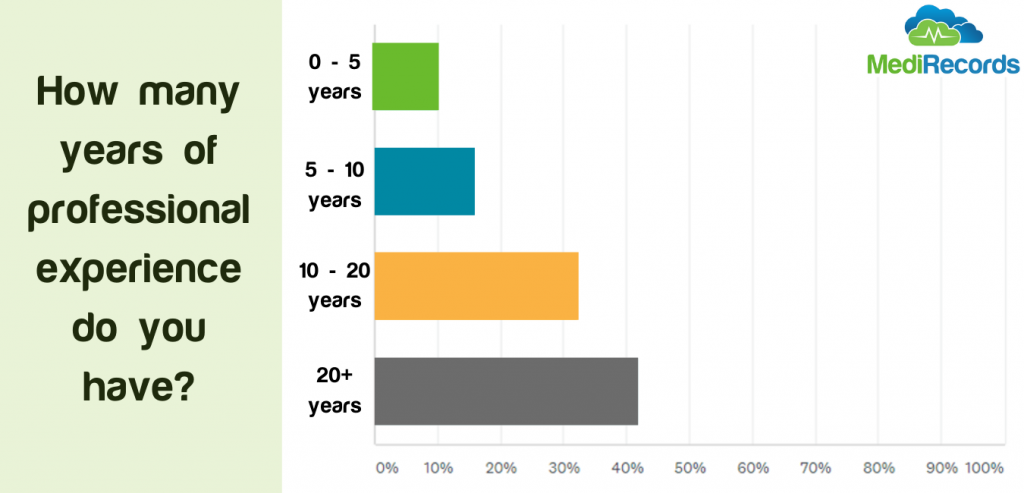
One noticeable skew was that the audience had a significant amount of professional experience, with over 40% having over 20 years in General Practice, which is worth bearing in mind as you read this article:


GP’s Working Environment

We were keen to understand how GPs tend to work, as this allows us to better understand how MediRecords can be as useful to clinicians as possible.

We found GP’s were split fairly evenly between those who work in one location, and those who work across multiple locations. What is not clear if this means they work across multiple practices, or often from home, something which could be influenced by the current pandemic.
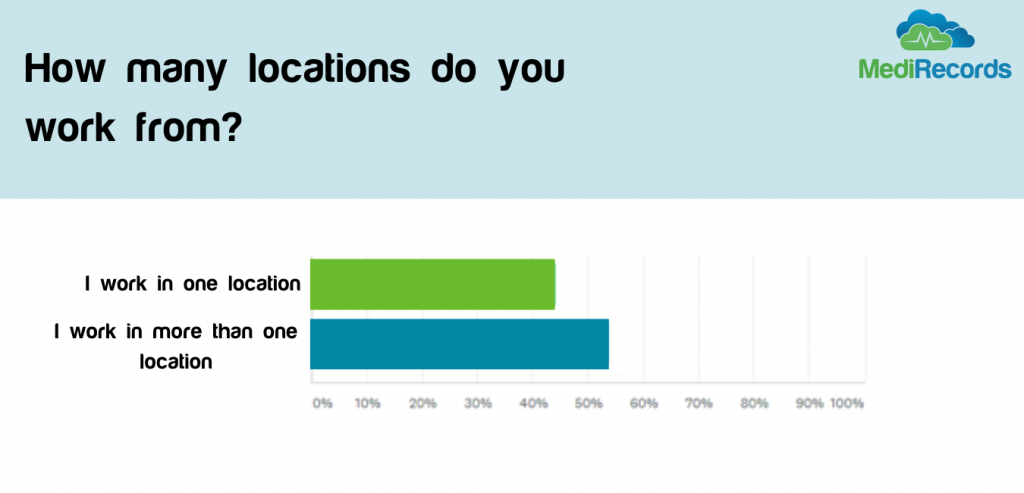
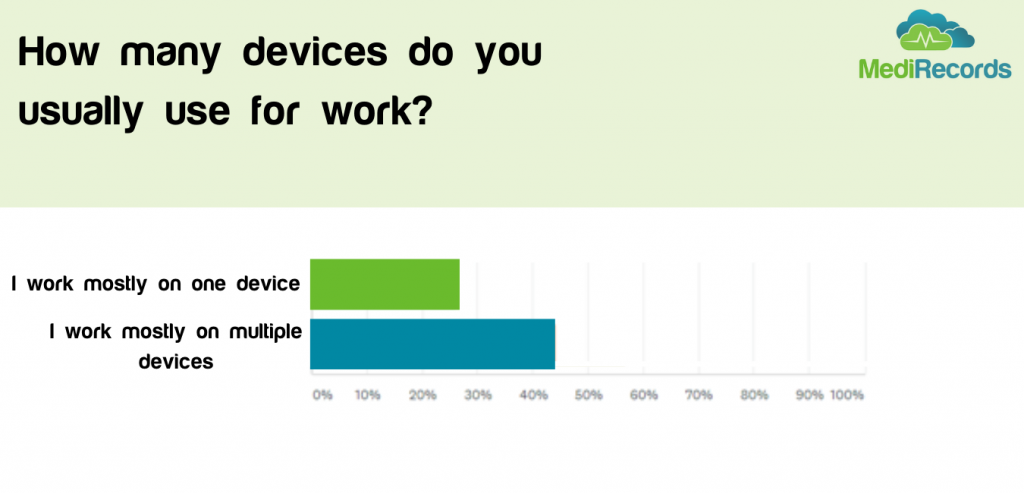
Far more clinicians work on multiple devices rather than one, which us unsurprising given our consumer habits across phones, tablets and computers. It is particularly interesting for practice management software however, as ease of working across devices and locations is very difficult on server-based solutions such as Best Practice and Medical Director, compared with cloud solutions like MediRecords.
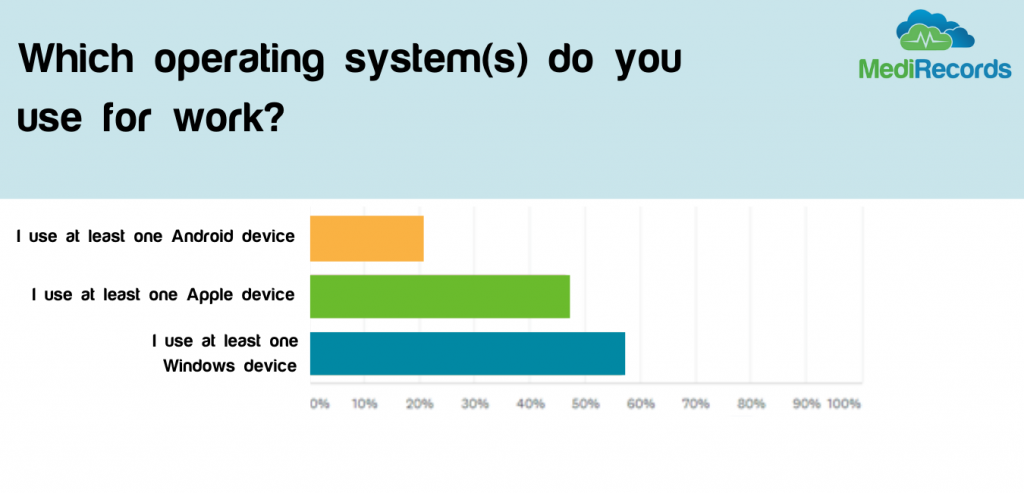
It was interesting to see that almost as many people use Apple products as do Windows, again something that could make browser-based software more appealing to ensure consistency of experience and usability for GPs on whichever device they use.
Preferences for practice management software

We asked our GP respondents a lot of questions about their preferences are for practice management software. This information is best summarized in the two questions:

  • What do you like about your Practice Management Software ? And…
  • What do you not like about your Practice Management Software?

Surprisingly, the same sort of answer was most popular for both questions – Usability!
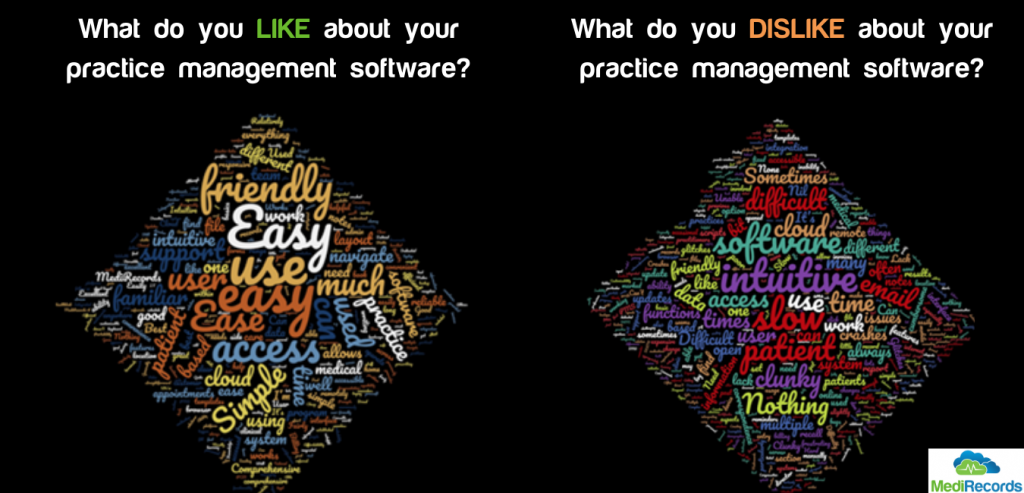
It can be easy to get lost in specifications and functionality lists when choosing Practice Management Software, but what this shows us all is that, fundamentally, it means little if the platform is not easy for clinicians to use. We suspect this will also be what drives most day to day frustrations users have with their current software.

(By the way, we think this is great news given the positive feedback we have had on MediRecords from our users. If you are struggling with usability there is a solution!)

So, are clinicians looking for something better?

We then asked if clinicians were planning on reviewing or upgrading their software over the next five years. Only 40% of respondents said they would consider doing so.
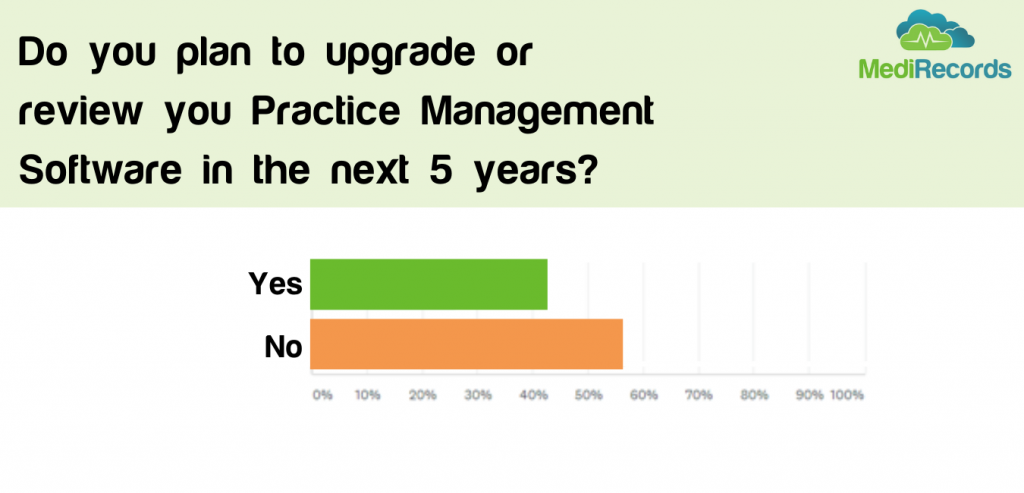
Many in the healthcare tech space may find this disappointing, but we believe it shows us the wider trend of reluctance to adopt and change with new technologies. Whilst many may be heralding a silver lining of COVID to be increased adoption of technology, the results suggest this mindset change will not happen overnight – even if pushed by a major event such as COVID.

If clinicians are still reluctant to change, what does this mean for Telehealth adoption?

We asked respondents to rank features in terms of the importance to them when choosing practice management software. Whilst we won’t be sharing the full results of this (hopefully you can understand, we want to keep some knowledge to ourselves!) what was surprising was that Telehealth was the second least important feature to the GPs we asked.
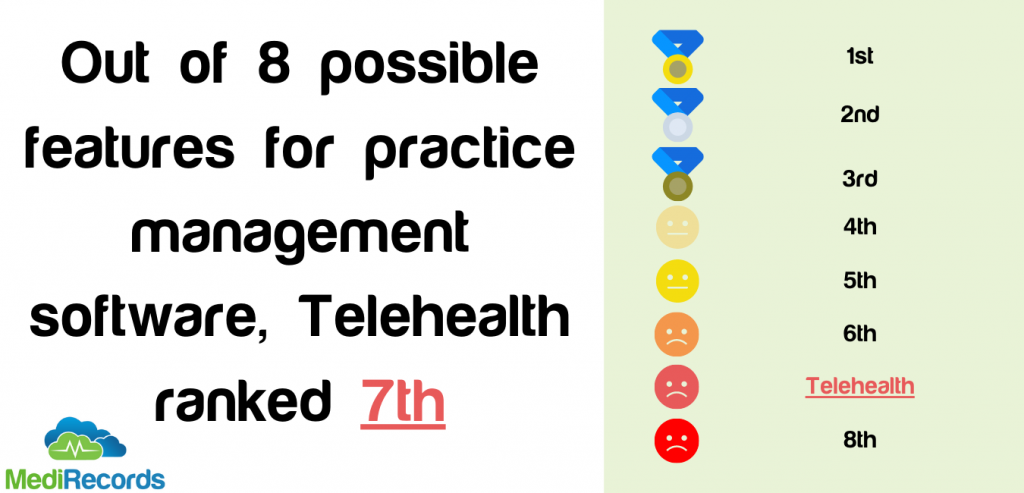
The timing of the survey may have had something to do with this. Whilst in the earlier days of the pandemic many GPs were trying to figure out how to incorporate Telehealth into their daily workflow, by July Telehealth MBS items had been live for over a month, with GPs finding that using the telephone was an easier, more familiar solution in the short term.

Again, this may reflect the reluctance of many to adopt new technologies, even if these technologies lead to better experiences for patients. We can see the benefits of telehealth via remote monitoring via projects such as Spritely’s recent trial in retirement villages in Christchurch, but clearly there is more work to be done to help clinicians see if there is a benefit for them.

So, what do clinicians want from their PMS?

Finally, we asked what GPs wished their PMS could do that it does not already.
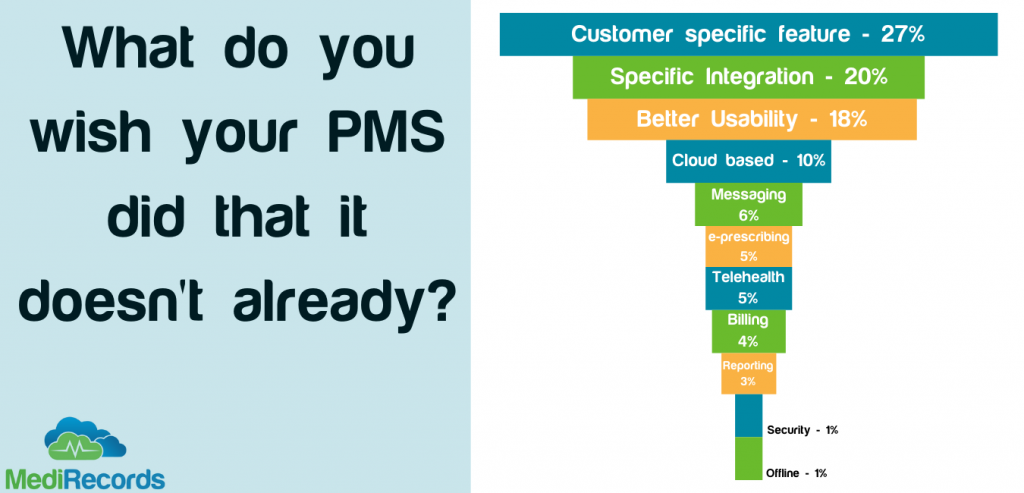
The results here were less clear, with 27% of people wanted a feature specific to their practice’s requirements, and a further 20% wanting an integration with a specific other service.

This shows how personal and bespoke the needs of many practices are, and how software such as MediRecords must not only be flexible for different workflows, but also responsive to users when they need new feature.

Again, usability came up, this time as something that respondents wish their PMS offered. Given the large share of the market enjoyed by traditional solutions such as Medical Director and Best Practice, perhaps this reflects the need for clinicians to look at some of the newer, easier to use options that are out there.

Personally, we think MediRecords fits the bill perfectly! If you would like to find out more you can contact [email protected], book a demo, or enjoy a 30 day free trial now.

About the Author

Andrew Dyson is our Digital Marketing Lead here at MediRecords, and managed this latest survey. Prior to joining MediRecords he has worked on marketing projects, including in depth market research, for some of the largest employers in the UK.
Looking to stay updated with the latest from MediRecords?

Sign up to the newsletter

    Are the benefits of cloud solutions for healthcare more than we realise?

    Cloud solutions for healthcare

    The benefits of cloud solutions for healthcare: More than we realise?

    Cloud solutions for healthcare
    Michelle O'Brien

    Michelle O'Brien

    Could the shift to cloud solutions provide the healthcare industry more benefits than we previously realised?

    Cloud computing is finally changing healthcare.

    The consensus on the overall benefits of the cloud for our industry appears to have shifted, which was perhaps inevitable given the increased interoperability, maturity of security and the significant cost savings cloud services provide.

    However, I believe most organisations are barely scratching the surface when it comes to making the most of other benefits cloud solutions can offer. Some of the lesser known benefits, from small clinics right up to larger public health and enterprise organisations, include:

    • Improved health information exchange & interoperability
    • Predictable costs
    • Faster and more efficient scalability and fast system deployment
    • Improved backup and business continuity
    • Enhanced user experiences
    • More robust data security
    • Improvements in diagnosis and treatment through AI & Analytics
    • Easier compliance

    I am a firm believer that cloud-solutions will provide healthcare organisations with even more benefits than many currently realise.

    This is one of the key reasons I joined MediRecords, a leading cloud-based PMS, and why, over the next few months, I will be putting together a series of articles explaining each of the benefits listed above. Where it is relevant, I will be including examples of organisations who have achieved these benefits, and if possible, some tips on how your organisation may be able to follow these examples.

    You will be able to find these articles via the MediRecords blog, via our company LinkedIn page, and via my own LinkedIn page. Feel free to send me a connection request!

    In the meantime, if you are interested in finding out more about any of the above, you can always reach out to me directly, either via email ([email protected]), or on LinkedIn.

    Michelle O’Brien, based in our Sydney office,  is Head of Strategy here at MediRecords.

    Michelle O'Brien

    Michelle O'Brien

    Looking to stay updated with the latest from MediRecords?

    Sign up to the newsletter