HepLink Launches Using MediRecords to Expand Hepatitis C Care

HepLink Launches Using MediRecords to Expand Hepatitis C Care

Media Release 

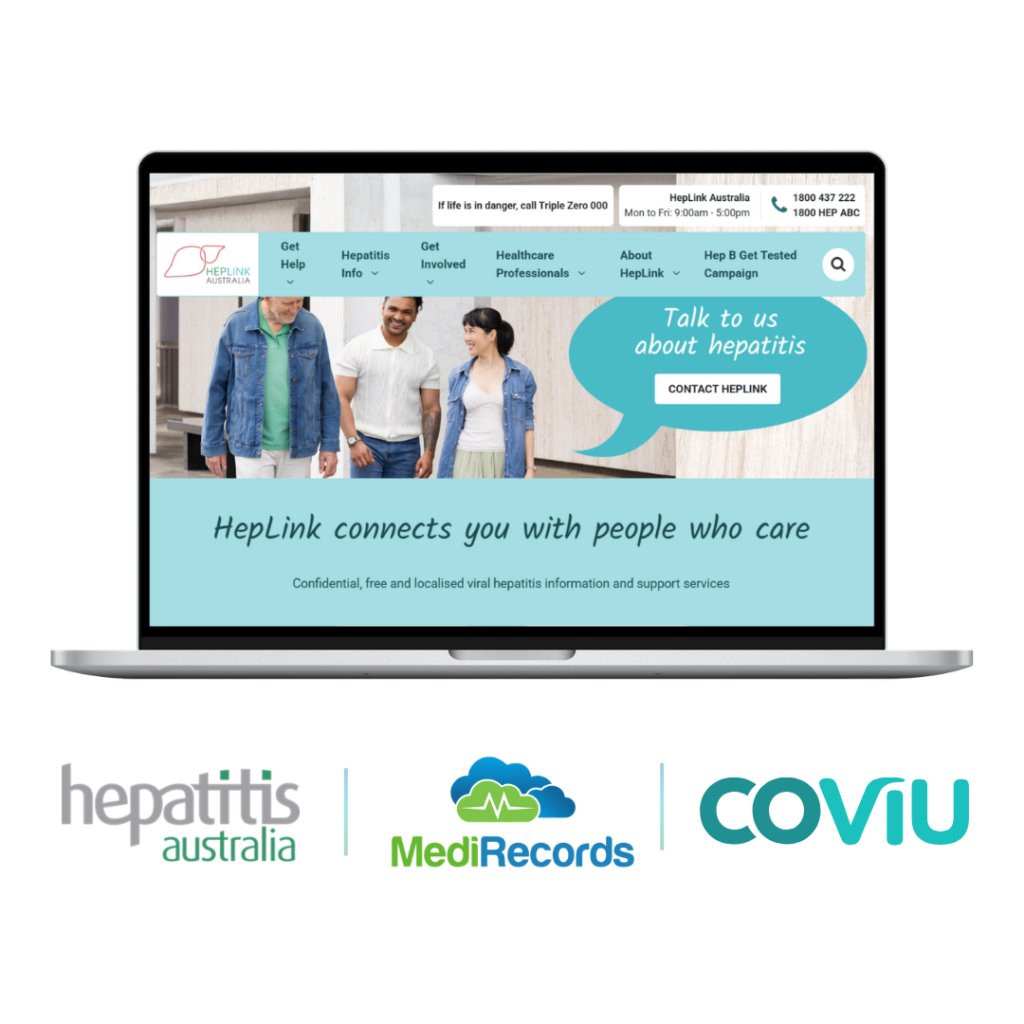
Hepatitis Australia has launched a new national telehealth service designed to deliver unprecedented access to hepatitis C testing and treatment, helping Australia move closer to eliminating hepatitis C as a public health threat.

The service forms part of HepLink, the national hepatitis information and linkage service, and allows people anywhere in Australia to connect with trained nurses, streamlined care pathways, and rapid access to treatment via telephone and virtual care.

Powered by MediRecords’ secure cloud technology and the Coviu telehealth platform, HepLink enables Australians to receive testing guidance, arrange blood tests, access clinical consultations and, where appropriate, receive prescriptions for curative hepatitis C treatment, without needing to attend an in-person appointment.

Hepatitis Australia CEO Lucy Clynes said the new service builds on the extraordinary progress Australia has made since hepatitis C cures were made widely available through the Pharmaceutical Benefits Scheme in 2016.

“More than 100,000 Australians have now accessed treatment and almost 100,000 have been cured of hepatitis C. That is one of the most significant public health achievements in a generation. 

But around 63,000 Australians are still living with hepatitis C and many are unaware they have it or are not currently connected to care. HepLink helps close that gap by making testing, treatment and expert support easier to access from anywhere in the country.”

 Lucy Clynes, Hepatitis Australia CEO

Digitally enabled care pathway

The HepLink telehealth service is supported by secure cloud-based clinical technology from MediRecords and its Engage patient portal, integrated with the Coviu telehealth platform and AI Scribe technology, enabling an end-to-end digital care pathway for patients.

Through the system, nurses and clinicians can securely manage patient records, share information and education materials, arrange testing, conduct telehealth consultations and issue ePrescriptions where appropriate.

This digitally enabled workflow allows people to move from their first enquiry to treatment initiation through a streamlined virtual care model — removing barriers for those who may struggle to access traditional health services.

Alongside Canada, Australia is now among the only countries to offer a nationwide telehealth service of this kind.

HepLink also supports general practitioners who may be unfamiliar with hepatitis C treatment, offering guidance and referral pathways to ensure patients are not left untreated.

MediRecords CEO Matthew Galetto said digital health platforms play a critical role in expanding access to care for people who may otherwise fall through the cracks.

“Digital care models are essential to reaching patients who may not present through traditional healthcare pathways,” Mr Galetto said.

“By supporting HepLink with secure cloud infrastructure and integrated telehealth capability, we’re helping enable a scalable national approach to hepatitis C care.”

 Matthew Galetto, MediRecords Founder and CEO 

Supporting Australia’s elimination goal

Australia has made major progress toward eliminating hepatitis C since the introduction of direct-acting antiviral treatments in 2016.

Since then:

  • The number of Australians living with chronic hepatitis C has fallen by more than 60 per cent
  • Deaths among people living with hepatitis C have declined significantly
  • Almost half of treatments are now prescribed in primary care settings, improving access across the country.

However, treatment rates have slowed in recent years as remaining patients are harder to reach.

HepLink is designed to reconnect those individuals with care by providing confidential, easy-to-access support and clinical guidance.

Ms Clynes said initiatives like HepLink will be essential if Australia is to achieve its goal of eliminating hepatitis C.

“We now have the tools to cure hepatitis C quickly and safely,” she said.

“The challenge is ensuring people know about the cure and can access care when they need it. HepLink helps ensure no one misses the opportunity to be tested and treated.”

How to access HepLink

Anyone in Australia can access the HepLink service by calling 1800 437 222 or visiting www.heplink.au.

The service provides:

Information about hepatitis C testing

Support to arrange blood tests

Virtual clinical consultations where required

Access to prescriptions for curative treatment

HepLink is the national hepatitis information and linkage service operated by Hepatitis Australia in partnership with community hepatitis organisations nationally. HepLink is funded by the Australian Government Centre for Disease Control.  

The HepLink telehealth service is made possible through a community grant from Gilead Sciences Australia.  

MediRecords and Coviu are proud to support this vital healthcare initiative.

Media Enquiries

Hepatitis Australia: Darren Rodrigo, 0414 783 405 

MediRecords: Matthew Galetto, CEO, [email protected], 0407 374 910

Coviu: Diana Pitts, CEO, [email protected], 02 7908 1346

Why choosing a Practice Management System shouldn’t be a marriage for life

Why choosing a Practice Management System shouldn’t be a marriage for life - but neither should it be married at first sight

by Tim Pegler

Choosing a Practice Management System (PMS) is not a decision to take lightly.

Like a significant other, a PMS needs to be dependable, adaptable, and easy to spend time with. It should be open to growth, including making new connections. It should not be stuck in the past.

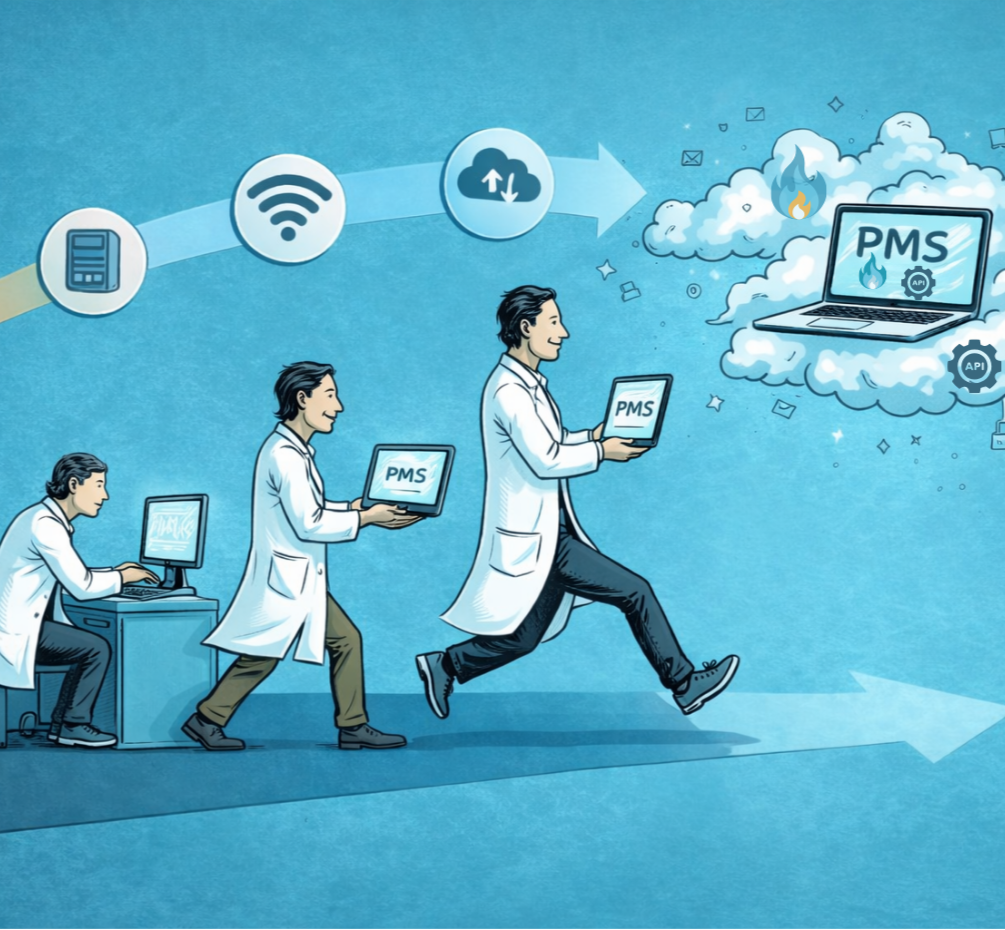
However, for time-poor clinicians their clinical software is all too often a set and forget decision. It’s the equivalent of ‘til death do us part’ (or the servers need replacing). Until then, inertia wins the day.

Fortunately, Australian healthcare is at a crossroads. There’s never been a better time to review technology partnerships, following Federal Government confirmation the future of healthcare is cloud-first and FHIR-enabled.

This doesn’t mean it’s time for a software swingers party or a married at first glance impulse buy. Migrating to a new Practice Management System can be complicated. Here are six things to consider carefully if you’re ready to reconsider your pairing:

1. Technology is evolving. Your PMS needs to keep pace

The Federal Government preference for cloud-hosted technology with FHIR (Fast Healthcare Interoperability Resources) connectivity is pragmatic and based on worldwide trends. There are rising expectations for data to be shared from Primary (e.g. GP) to Tertiary (e.g. hospital) care organisations in real time because communication silos create risk. Consumers increasingly expect access to their data – and their doctors – wherever they are. Your technology needs to support this with secure integration to government systems. Ask your vendors: 

  • What security certifications do they have? 
  • Are they conformant with government regulations for prescribing safely? 
  • How often do they release product updates and how easy are these to install? 
  • What’s on their roadmap?

2. Scalability inot negotiable

Growth looks different for every organisation. You might: 

  • Add multidisciplinary teams for holistic, shared care 
  • Expand to multiple sites 
  • Provide a combination of face to face and telehealth care 

A scalable PMS accommodates growth rather than impeding it. This is why cloud systems have become the modern standard; they scale effortlessly, securely, and cost effectively. 

3. Remote workforces are here to stay

The pandemic changed healthcare forever, resulting in workforce casualisation, proliferation of virtual care services, and teams working from anywhere with Internet access. Your preferred PMS needs to be limber enough to support: 

  • Telehealth consultations 
  • Distributed administrative teams 
  • After hours clinical care 
  • Offsite reporting, billing, and triage 
  • Multilocation collaboration 

If your workers are grinding away via legacy remote desktop systems, you’re likely to be losing time, money and team morale.  

4. API connectivity iessential 

API and FHIR interoperability enable innovation. Look for a PMS technology partner with open, well documented APIs ensuring secure connection with: 

  • AI-powered tools to enhance efficiency 
  • Digital front doors 
  • Patient engagement portals 
  • Medication dispensing and delivery systems 
  • And much more. 

A PMS that resists integrations is holding your organisation back. (To read about MediRecords’ connectivity, check out Connect by MediRecords – Connected Health Care.)

5. Look at the big picture on budget 

A wedding costs more than a dress, rings, catering and flowers. Factor in photography, suits, vehicle and venue hire, celebrants, music, and so much more. Licence fees for a server-based or hybrid PMS may be attractively low, but you need to budget for desktop downtime and IT support for managing your back-ups, software updates and security patches, not to mention the hardware, building and utilities expenses for owning, running and cooling servers. A server is a short-term investment; you’re committing to $40k or more, each time you replace the hardware. You also need to dispose of it securely and, ideally, sustainably. 

Cloud PMS systems mean you can ghost server issues, swipe left on IT contractors and let your technology partner automate software management for you. 

6. Where do you see yourself in a decade? 

People change. So does the healthcare sector. Hospital-, aged-, and palliative care will increasingly be delivered at home, to maximise patient comfort and convenience, and minimise costs. Can your nursing teams deliver patient care wherever they need? 

Actively seek PMS software with the flexibility to satiate new needs as they arise.  

If it’s not marriage for life, what is it?

Think of your PMS as a long-term partnership, built on performance, adaptability, and trust. You shouldn’t feel trapped by it. You shouldn’t choose it impulsively. You should feel confident it’s the right pairing for today and tomorrow. If it’s cloud-based, scalable, FHIR-enabled, and API-driventhat’s a lot of green flags. 

Moving forward

If you’re considering opening a new business, MediRecords’ Complete Medical Practice Startup Blueprint provides a comprehensive checklist on things to work through. 

If your existing business is looking for a new technology partner, please book a call via [email protected] so we can discuss your requirements. 

Opening a medical practice involves more than finding a location and hiring staff. From Medicare compliance to digital health registrations, there are many steps to get right. We’ve simplified the process into a practical checklist to help you launch a modern, compliant clinic with confidence.

Predictions and peer pressure in the AI playground​

Predictions and peer pressure in the AI playground

by Tim Pegler

For a few years now I’ve dusted off my crystal ball each January, gazed into its misty depths, and asked, ‘What will change in digital health in the 12 months ahead?’

This year it felt pointless asking as all the omens point to obvious answers. I didn’t need to be psychic to predict AI and cyber security would dominate developments in healthcare in 2026.

And then the ground shifted, possibly seismically. AI giants OpenAI and Anthropic formally launched healthcare initiatives and the aftershocks have begun. So, hot on the heels of the announcements, let’s look at what the big five AI platforms are doing in health:

OpenAI’s ChatGPT

Watch how your friends and family get their health information now. If they’ve dumped Dr Google in favour of a ChatGP(T), they’re part of a mass migration. It’s estimated that 5% to 25% of ChatGPT searches now relate to healthcare, so it’s no surprise OpenAI is cementing its role in health. 

OpenAI’s January 8 announcement said ChatGPT Health will be a consumer-facing information and assistance tool where you can upload results and ask questions, draft clinical documents, review research and summarise data. In the US, personal health records can be connected via middleware, to analyse progress. Major training tools, like MyFitnessPal and Peloton, are looking to integrate with ChatGPT. 

For large healthcare organisations, ChatGPT for Healthcare promises a HIPAA-ready workspace, focused on administrative efficiency. It can be integrated with an Electronic Medical Record (EMR) to boost automation, clinical decision support and planning. Major hospitals are already proceeding to pilot implementations. 

ChatGPT Health is available to a limited user group in Australia, with broader access likely from next month. 

Anthropic’s Claude

Claude for Healthcare launched on January 11 with beta products for enterprise and consumers. At present, these are limited to US subscribers, with no timeline for entering the Australian market. On the consumer side, Apple and Android integrations will enable sharing of health histories, results, and wearable device data with Claude. Claude says this will enable detection of patterns, “more productive conversations with doctors” and humans who are better informed about their health. 

At enterprise level, Claude is also HIPAA-ready and aligning with major databases such as PubMed, the international Classification of Diseases (ICD-10) and the US system detailing medical billing codes. 

Microsoft’s Copilot

Microsoft announced its health AI push early and has the advantages of being pre-installed in many computers. Copilot for Health identifies as a consumer-friendly ‘AI Companion’ that draws on medical journals, especially Harvard Medical School resources. It can provide symptom and wellness information and point you toward nearby health services, (hopefully with available appointments). 

At EMR level, Microsoft’s play is through Dragon Copilot for medical professionals (no known Australian release date) and enterprise documentation tools under the Microsoft for Healthcare banner. 

Google’s Gemini

Google has research tools and enterprise cloud platforms in its armoury. The former includes Med-Gemini, which can assist with medical exam preparation, clinical reasoning and patient file analysis, and MedGemma which is used with diagnostic imaging, medical devices and other clinical documents. Finally, Personal Health LLM (looks like the marketing team haven’t got to this one yet) will coach consumers based on data from devices like Fitbit. 

At enterprise level, Google has Vertex AI Search for Healthcare in EHR systems and MedLM for documentation, scribing and clinical coding. Hospitals using Google Workspace will likely use Google AI tools. 

Google’s Health Connect is also promoting FHIR (Fast Healthcare Interoperability Resources) standards to improve interoperability of health information sources. 

Beyond these initiatives, Google Health is a leader in deep dive medical research and drug development.  

Perplexity

The other big AI player, best known for its comprehensive referencing, hasn’t announced a formal healthcare move. Partnered with large research libraries like Wiley, Perplexity promises an “AI research and productivity layer” but lacks AI scribe features or options for EMR integration.

Peer pressure

With Claude, Copilot and Perplexity licensing respected sources of peer-reviewed research, it’s clear that attribution and credibility are invaluable to AI platforms. It’s also obvious everyone is nervous about being a global test case for inaccurate, dangerous, or deadly “hallucinated” data. The platforms all warn they are not diagnostic in nature; they ‘inform’ but cannot substitute for advice from qualified medical practitioners. And they can all make mistakes. 

In the interests of objectivity, I asked each of the five tools to discuss the pros and cons of their peers, versus themselves. The findings were remarkably consistent:  

Dance partners

The other battleground is for data partners. Alliances with the developers of phones, wearables, health apps, medical devices, fitness and rehabilitation equipment, and clinical trials, will be critical. Primary care practice management systems might even come under the microscope. 

Doing it Down Under 

Australia is significantly smaller than the US and lagging on data interoperability, (despite the best efforts of FHIR-friendly vendors like MediRecords.) Just like we don’t see new features for Apple Watches for months or years after they’re released, the new AI platforms may face regulatory reviews and other hurdles Down Under. 

One thing is clear. The Therapeutic Goods Administration (TGA) will be watching to see if they stray into diagnostic device territory. 

And for those that are already fearful of AI, here’s a project to really get the heart racing. A pilot program in Utah, USA, has begun using AI for repeat prescriptions for specific medications. 

MediRecords Evolve is our growing suite of agentic AI tools designed to expand the clinical and admin capabilities of your practice, while saving time and minimising the risk of human error.

Reduce your workload today, and increase your capacity with every new release.

MediRecords partners with General Practice Registrars Australia

MediRecords partners with General Practice Registrars Australia to support the next generation of GPs and RGs

Media Release 

General Practice Registrars Australia welcomes MediRecords’ support for the next generation of GPs and RGs

General Practice Registrars Australia (GPRA) has announced a new partnership with MediRecords, offering GPRA members exclusive discounts and access to Australia’s leading cloud-based clinical and practice management software.

The collaboration will support the next generation of doctors as they build their careers and future-proof their practices with a digital platform that travels with them.

MediRecords enables GPs and Rural Generalists (RGs) to securely access patient records from anywhere – whether consulting in a clinic, delivering telehealth, working in aged care facilities, or in a remote community.

GPRA President Dr Chris Dickie said patients are increasingly wanting to access their care from GPs and RGs via a variety of pathways – including digital platforms. 

“The future is here, and the use of digital, safe and accessible platforms is just another way a doctor can keep in touch with their patient and vice versa, for the benefit of their health. While not replacing face-to-face care, the safe use of digital technologies is now a critical tool in the doctor’s service model. MediRecords recognises the unique needs of GPRA members as they embark on their professional journey.”

Dr Chris Dickie, GPRA President 

With MediRecords, GP and RG registrars and early-career doctors can gain familiarity with secure, cloud-based systems that support flexible models of care. As they progress in their careers and transition into roles with greater autonomy, they’ll have the capability to build their practices using digital tools that enhance the way they deliver patient care.

As a fully cloud-based platform, MediRecords eliminates the need for on-site servers, offering a scalable, mobile solution that supports today’s increasingly flexible models of healthcare delivery.

Its API connectivity also allows doctors to innovate and integrate with other digital health tools, creating opportunities to build dynamic, patient-centred businesses.

MediRecords CEO Matthew Galetto welcomed the partnership, noting the alignment between the two organisations.

“MediRecords has a growing client base of early career, entrepreneurial doctors who want flexibility in their careers. Our platform gives GPRA members the freedom to work how and where they want, while leveraging our API connectivity to build truly exciting new healthcare businesses. It’s a great fit, and we look forward to supporting GPRA members as they shape the future of general practice.”

Matthew Galetto, MediRecords Founder and CEO 

The partnership underscores a shared commitment to empowering the next generation of GPs with tools that meet modern healthcare demands, enabling mobility, connectivity, and innovation, while upholding standards of healthcare and quality general practice.

About GPRA

General Practice Registrars Australia (GPRA) is the national independent voice for future GPs in Australia (www.gpra.org.au)

Media Contact

MediRecords
Tim Pegler
[email protected]
0435 444 690

GPRA
Gavin Broomhead
[email protected]
0435 077 935

What a difference the cloud makes – why GPs need to look up when seeking software

What a difference the cloud makes - why GPs need to look up when seeking software

This article was originally published by The Medical Republic and can be viewed in its original format here.


Matthew Galetto - Founder and CEO of MediRecords

 At the recent Wild Health Summit – Towards One Health System, MediRecords hosted a breakfast panel called, “What a Difference the Cloud Makes.” It was a chance to have a real conversation about where general practice IT is headed, and where it should be. 

One of our panellists, Peter O’Halloran, Chief Digital Officer at the Australian Digital Health Agency, was asked a simple question: 

“If you were setting up a general practice today, would you go cloud or on-premise?” 

His answer was unequivocal. Cloud technology is essential. 


The RACGP’s cloud guidance feels out of step 

That’s why it’s a bit jarring to read the RACGP’s own guidelines on cloud computing, which still lean heavily towards on-premise systems and paint the cloud as risky. 

From where we sit, as a healthcare cloud provider working with GPs every day, this doesn’t reflect reality. 

The idea that practices are better off managing their own servers, software, patches, backups, and security just doesn’t stack up in 2025. Most clinics don’t have dedicated IT staff, and even if they do, securing on-prem systems to the same standard as cloud platforms is near impossible. 

Cloud providers like MediRecords deliver: 

  • Continuous updates and security patches, 
  • Encryption by default (at rest and in transit), 
  • Secure, redundant backups, 
  • Access controls, audit logs, and role-based permissions, 
  • Always-on monitoring by specialised teams. 

These aren’t “nice-to-haves”. They’re standard and they’re built in. 

Cloud systems remove the need for older remote access tools like Citrix or RDP, making it easier for teams to connect and get work done. This simpler setup means faster performance, especially with tasks like printing, which are often slow or unreliable on Citrix and RDP due to delays and compatibility issues, with fewer security layers to manage. 


Meanwhile, the government Is Moving Full Steam Ahead on Cloud 

The disconnect is this: the Australian Government has made it clear that the future of digital health is cloud-first, secure, and interoperable. That’s not just a goal, it’s national policy. From the National Digital Health Strategy to ADHA’s recent messaging, it’s crystal clear. 

When asked about security, Mr O’Halloran said cloud technology companies are best equipped to provide these protections. 

Cyber-criminals are highly organised and sophisticated and well advanced of most Australian businesses, he said. 

“You’ve got no hope of trying to keep up to date and keep ahead of the bad guys,” he said. “Putting (your data) in the cloud, if you do it a safe way, it doesn’t guarantee you’re safe, but it gives you a heck of lot more chance.” 

He said the days of running server-based systems are over; “it’s simply not safe”. 

What about costs? 

Costs of switching to cloud technology can be largely offset by reductions in hardware and utility costs but Mr O’Halloran applied a different lens. “Quite frankly, in most cases, the cost of not (transitioning to the cloud) is far worse when something goes wrong.” 

Dated advice 

When we asked the RACGP to consider updating their guidance that cloud technology may introduce “increased potential for data breaches”, we were told they’re happy with the current version. That’s disappointing, not for us as a vendor, but for the GPs who rely on accurate, forward-looking advice from their peak body. 

Time to call it like it is 

The truth is, we’re well past the point where this should be up for debate. Cloud isn’t a risk, it’s the solution to the risks we’ve seen time and time again with outdated, localised infrastructure. 

It’s safer. It’s more scalable. It is more user friendly for your workforce and supports better patient outcomes. And it’s what the rest of the health system is already moving towards. 

We owe it to our clinicians, and our patients, to move the conversation forward. 


About the author: 

Matt Galetto is the founder and CEO of MediRecords, Australia’s first true cloud practice management system and electronic health record. Matt has extensive experience in data analytics, healthcare, banking and hospitality technology. 

 This article was written by MediRecords CEO & Founder Matthew Galetto, and originally published by The Medical Republic. The original article can be viewed here.

New Prescribing role for nurses: What you need to know
 

New prescribing role for nurses: What you need to know

More nurses will be able to prescribe pharmaceutical medicines from September in a move that aims to ease the pressure on GPs.

Not all registered nurses will be granted prescribing authority, and those who complete the required training and registration process are allowed to prescribe 2, 3, 4 and 8 medicines only within a “formal prescribing partnership” with an authorised prescriber, such as a doctor. 

The new Registration Standard, Endorsement for Scheduled Medicines – Designated Registered Nurse Prescriber, was approved by health ministers last December and is part of ongoing national health workforce reform aimed at:

  • Improving access to healthcare, particularly in rural and remote communities or other settings where there are doctor shortages.
  • Expanding the scope of practice for experienced registered nurses.
  • Reducing pressure on GPs and the broader healthcare system. 
 
“This is a landmark moment for Australian nursing,” said Nursing and Midwifery Board of Australia (NMBA) Chair Ajunct Professor Veronica Casey. “We’re inviting the entire health community to join us on this journey.”

The standard was published last month to give stakeholders time to prepare for the change. 

Help for nurses to understand and meet the endorsement requirements can be found in the NMBA’s fact sheet and guidelines.

Help for Customers:

As these changes come into effect, MediRecords is ready to support your team. If you have registered nurses who will be endorsed to prescribe, their licences will need to be upgraded to enable prescribing functionality. This ensures appropriate access and compliance within MediRecords.

Your Customer Success Manager can walk you through the upgrade process, including any associated costs, and help ensure everything is in place before implementation begins in September. We’re here to make the transition simple and seamless. 

Frequently asked questions

The Registration standard: Endorsement for scheduled medicines – designated registered nurse prescriber can be found here on the NMBA website. 

A nurse practitioner has a master’s degree and can work independently to diagnose, treat, and prescribe. A designated RN prescriber has extra training and can prescribe, but only in partnership with a doctor or authorised prescriber. 

An RN must meet all requirements outlined in the official Registration Standard, including, but not limited to,  

  • Completing an NMBA-approved prescribing course (or equivalent study); 
  • Have at least 5,000 hours of clinical experience within the past six years; and,  
  • Hold general registration with no relevant conditions or undertakings. 

After gaining endorsement, the RN must work within a formal prescribing partnership (e.g. with a doctor) and complete a six-month clinical mentorship when they begin practising as a prescriber. See also the Guidelines for registered nurses applying for and with the endorsement – designated registered nurse prescriber on the NMBA website. 

Schedule 2, 3, 4 and 8 medicines, but only within a formal prescribing partnership with a doctor or authorised prescriber. 

We can help upgrade your clinical licences to include prescribing capabilities and integrate nurse prescribers into your workflows. 

To ease pressure on GPs, improve access to care (especially in rural/remote areas), and expand the scope of experienced nurses. https://pricing.medirecords.com/

Sources

The power of connection


Reconciliation Week 2025

The power of connection

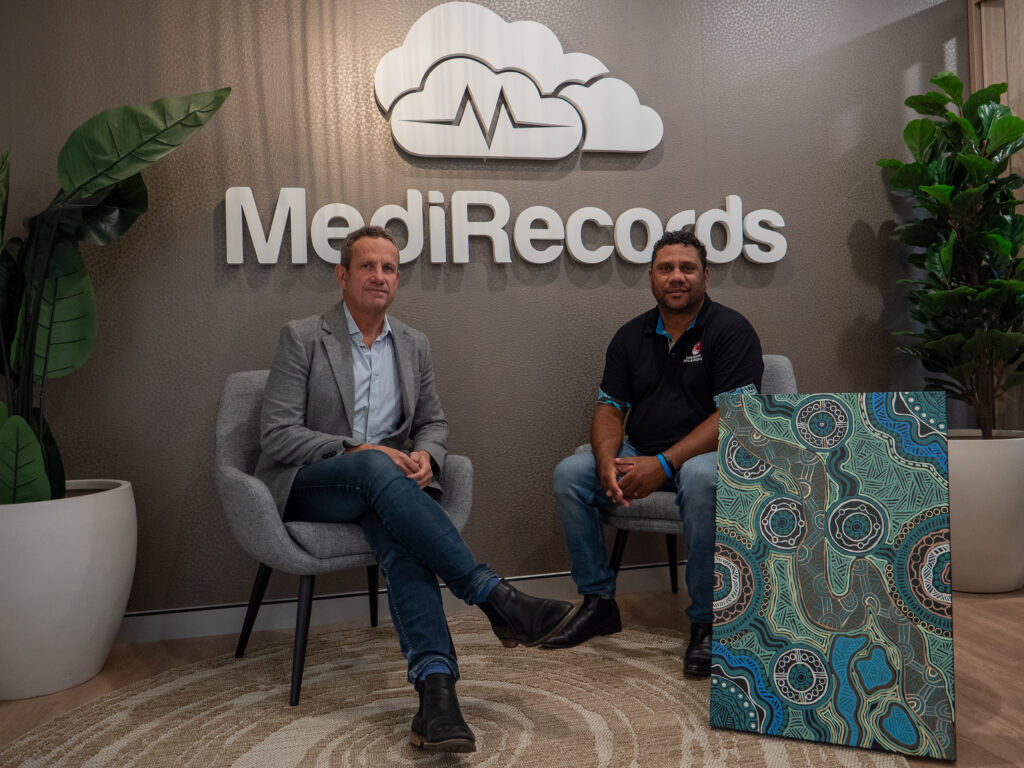
We believe health is a journey, and connection is the path. This commissioned artwork by Aboriginal artist Luke Penrith reflects that journey of care, where community, culture, and Country come together. It’s a powerful reminder of the role connection plays in every health story.

About the artist

Luke Penrith is an artist and businessman with Wiradjuri, Wotjobaluk, Yuin and Gumbaynggirr ancestry. Mr Penrith is passionate about sharing Aboriginal Lore, culture and heritage through his art, and supporting the growth of First Nations businesses. 

Mr Penrith believes in giving back to community and contributes to environmental, mental health and sporting initiatives through profits from sales of his high-visibility industrial workwear.

The power of connection

Connection is something we often don’t fully appreciate until it’s missing. When your electricity or water supply is cut off, it doesn’t take long to feel the impact. Similarly, the COVID19 lockdowns reminded many of us about the importance of community, and the challenges of disconnection from friends and family. 

Aboriginal artist Luke Penrith says connection is at the heart of indigenous culture, and an all-embracing linkage between people, places and country.  

“Sometimes we might not fully appreciate that idea of connection,” the Wiradjuri, Wotjobaluk, Yuin and Gumbaynggirr artist and businessman says. “Whether it’s family or community connection… it’s what keeps us going.” 

MediRecords commissioned Mr Penrith to create an artwork for National Reconciliation Week and our company core value of connecting healthcare, resonated with him as he began work. 

A river runs through the centre of the painting, representing connection with sites used for meetings, social gatherings, hunting and fishing. 

“A lot of my artworks are based on waterways, because water is the giver of life,” Mr Penrith says. 

“That’s where traditional ceremonies took place and where food was plentiful, through fishing, and kangaroos and emu coming down to drink.” 

Circles adjacent to the river represent gatherings of people and the stomping of feet around campfires. “The artwork shows the river running through, connecting points along the waterways. It’s about connection along a path and it’s talking about that ripple effect on health.” 

“That’s one of the reasons I like working with organisations like MediRecords. You have the technology to speed up (health) records, in a confidential and secure way… So if my Nan was going to Melbourne, she can call and say her records are already in the cloud… and can be looked at straight away.” 

Luke Penrith

Making connections in health

Mr Penrith is passionate about improving health for all Australians, but particularly Aboriginal people, for whom the disparity in health outcomes, compared to non-Aboriginal people, remains vast.  

His artist grandmother, a key inspiration for his work, is 80 years old.  

“At 80, she is probably a one in hundred (for Aboriginal people),” Mr Penrith said. “She has already lost two (adult) sons… 

“That’s one of the reasons I like working with organisations like MediRecords. You have the technology to speed up (health) records, in a confidential and secure way… So if my Nan was going to Melbourne, she can call and say her records are already in the cloud… and can be looked at straight away.” 

Mr Penrith hopes that as MediRecords introduces his artwork with our community of users, its message will encourage people to be more proactive about their health. 

“The main message is about connections and meeting points and that can translate into health as well. 

“Hopefully my artwork opens the doors to people like a lot of Aboriginal men, as they don’t like going to doctors or to hospitals. 

“If you find out that you’re crook, you’re going to be on a journey and you’re going to get to that point … where you make decisions about actions that need to be taken…” 

These are also key connecting moments for our health and wellbeing, he says. 

Looking at the big picture

The artwork prepared for MediRecords shows a landscape from the mountains to the sea, highlighting connections between freshwater and saltwater peoples, and the role country plays in the wellbeing of all Australian lives. 

“Caring for country is everyone’s business,” Mr Penrith says. And something all Australians can do on a regular basis.” 

MediRecords' commitment

MediRecords vision is to connect healthcare, enabling the right care at the right time. We provide technology that can help Australia’s healthcare workforce deliver care effectively and safely, thereby improving health outcomes and equity. We welcome conversations about how we can support care for all Australians. 

As we acknowledge National Reconciliation Week, we pause to reflect on our shared history, recognise the truths of our past, and reaffirm our commitment to a future grounded in respect, justice, and unity.

Health In Sight: April 2025


Health In Sight: April 2025

Here’s a fast fact on the Australian Federal Election: As of 30 April, more than 2.5 million Australians had applied for postal votes and more than 1.1 million had already submitted their ballots.

That’s a lot of people who won’t be queueing at polling booths or eating democracy sausages on May 3. 

Voting is, of course, compulsory in Australia but the high number of postal votes shows Aussies take democracy seriously. As we should. Because no matter which party claims victory after the ballots are counted, healthcare delivery is likely to be impacted across the nation. 

For those that haven’t been closely following policy announcements, here are key promises from the major players: 

Labor Government

The incumbent Albanese Government announced many of their healthcare policies in the recent Federal Budget but have doubled down on the power of the Medicare brand, essentially rebranding Healthdirect services as 1800MEDICARE,  ”a free, nationwide 24/7 health advice line and afterhours GP telehealth service”. Other commitments include: 

  • $7.9 billion to encourage medical practices to bulk bill more patients, with the goal of 90% of patients being bulk billed by 2030. 
  • $1 billion for free mental health care services 
  • Cheaper PBS medications with the maximum price per prescription falling from $31.60 to $25 in January 2026  
  • 50 additional Medicare Urgent Care Centres 
  • Investment in training programs to create more GPs, nurses and midwives. 
Coalition (Liberal and National Parties)

The Coalition have matched funding for several Labor healthcare policies – including $25 prescriptions – and have pledged: 

  • $9.4 billion for increasing bulk billing in general practice and mental health and ensuring “all Australians have affordable access to healthcare” 
  • Building GP workforce numbers with incentive payments, entitlements and training support 
  • Restoring Medicare-subsidised mental health sessions from 10 to 20 
  • $400 million for youth mental health services
  • Initiatives to get more healthcare workers to live and work in regional areas. 
Australian Greens

The Greens are advocating for universal, equitable, publicly funded free healthcare – including ambulances – for everyone. Other initiatives include: 

  • Free access to PBS approved medications 
  • Expand Medicare to cover dental care, mental health and diagnosis of ADHD and autism 
  • Medicinal cannabis products to be better researched and added to the PBS 
  • Federal Government to provide at least 50% of public hospital funding through a model that supports care innovation 
  • Advertising ban on alcohol, nicotine products and junk food. 

As Australia locks down its next Federal Government, the gears keep turning in the wider digital health world. Here are some of the developments we’ve been watching: 

The rise of virtual care

Hospitals globally are looking to care for more patients in their own homes, to allay rising costs of in-hospital care. The following articles look at initiatives to deliver chronic disease care in UK community settings and more virtual emergency care in Ireland. 

‘Technology must be part of move to more community care’ 

Five years of ED in the home takes pressure off hospitals – Pulse+IT 

Smarter wearables

Apple is working on AI-driven health coaching, and Apple Watches may be used to predict epileptic fits in the near future. 

https://www.beckershospitalreview.com/disruptors/apple-expands-healthcare-efforts/ 

EpiWatch wins FDA clearance for Apple Watch seizure management app | MobiHealthNews 

AI unchained

In one of the riskier AI initiatives we’ve seen, a US proposal is under consideration to use AI for autonomous prescribing. 

Proposed legislation paves the way for AI to prescribe drugs | MobiHealthNews 

Meanwhile Bill Gates has predicted AI will be the solution to medical workforce shortages around the planet. 

AI will end scarcity of medical expertise, Bill Gates says – Becker’s Hospital Review | Healthcare News & Analysis 

Sources

Health In Sight: March 2025


Health In Sight: March 2025

Australia has a Federal Election on the horizon and healthcare is often at the heart of political campaigns.

It’s not so long ago the word ‘Mediscare’, with its connotations of a pay-your-own-way healthcare system, almost resulted in a change of government. With cost of living the most commonly cited pain point for Australians in 2025, the Albanese Labor Government has released its ‘future-shaping’ Federal Budget early, getting on the front foot about healthcare funding and consumer expenses for coming financial years.

Here is a selection of Federal Budget healthcare headlines:
1. Bulking up bulk billing

In news announced a week before the budget, $7.9 billion will be spent from November to encourage medical practices to bulk bill more patients, with the goal of 90% of patients being bulk billed by 2030.

2. Cutting costs of prescriptions

The maximum cost of Pharmaceutical Benefits Scheme (PBS) medications for consumers will drop from $31.60 per prescription to $25 in January 2026.

3. Spotlight on women's health

Aiming to “reverse decades of neglect to women’s health”, the budget allocates $792. 9 million to adding new contraceptive pills, menopause and endometriosis medications to the PBS, new bulk billing items for menopause and contraceptive consultations, new endometriosis and pelvic pain clinics, and a trial of pharmacy prescribing of contraceptives and ‘uncomplicated’ UTI treatments.

4. Extra urgent care

Another 50 Medicare Urgent Care Clinics have been funded, with the Labor Government claiming 4 in 5 Australians will live within a 20-minute drive of a UCC once all sites are operational. The UCCs appear popular with voters (but less so with GPs) and intended to reduce pressure on overcrowded public hospital emergency departments.

5. Booster shots for the workforce

The government says it has funded the biggest ever training program for GPs, with 2000 new GPs a year to be trained by 2028 and incentives created for young doctors to specialise in general practice. Scholarships have also been funded for nurses and midwives, and 60,000 aged care nurses will get a pay rise. Funding support for cash-strapped state and territory public hospitals has also been increased.

6. Digital delivery

An additional $46 million has been found for ‘digital mental health services’ (which we read as telehealth services). The ongoing overhaul of the My Health Record has also been given a top up to “drive a digitally connected healthcare system”, and electronic prescribing infrastructure will get a $5.7 million makeover.


These initiatives and others in aged care and indigenous health land at a time when Australians are getting older, sicker and having fewer babies. With much of this spending scheduled for after the election (predicted for May 2025), the voters may decide what gets spent in coming years.

Other government news

While we’re talking government, WA’s Premier Roger Cook (a former Health Minister) has taken the initiative of creating a Preventative Health portfolio tasked with reducing demand on hospitals long term. Meanwhile time-poor South Australian doctors are unlikely to have AI scribes coming to their rescue after reports the technology will be banned in public health settings.

And the UK Prime Minister, Sir Keir Starmer, has announced the end of an era in British healthcare, with the stand-alone National Health Service England (NHSE) being absorbed back into the Department of Health and Social Care, to reduce duplication of costs and enhance purchasing powers.

Further reading:

Health In Sight: February 2025


Health In Sight: February 2025

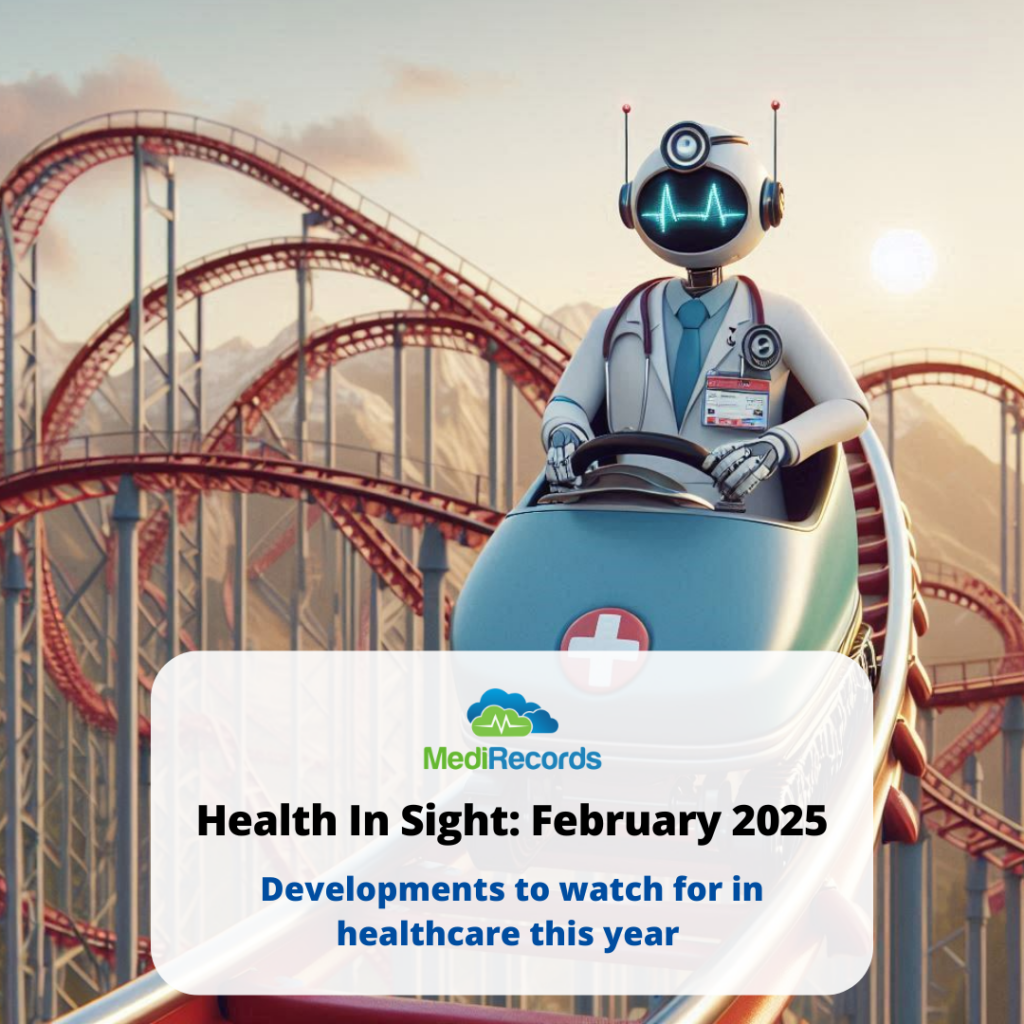
Developments to watch for in healthcare this year

Artificial Intelligence — whether you’re converted, concerned, conflicted or all of the above, there will be no avoiding it this year. All the technology pundits and prognosticators say 2025 will be the year A.I. technology takes root in healthcare and everywhere. 

Part of the push to introduce A.I. and other machine learning tech comes from the need to do more with less. Many governments have empty coffers, having spent big to save as many lives as possible during the coronavirus pandemic years. As treasurers resort to budgetary belt tightening, public hospitals are feeling the squeeze. 

The pandemic continues to affect global production and supply chains, too. There’s less stuff available and it costs more. Vital medicines and hospital supplies are among the items difficult to access. Workforce shortages are ongoing. 

The cost crunch is also hitting consumers and there are daily reminders that hip pocket pain is a key driver of election results. Apart from toppling governments, cost of living pressures has led to people either abandoning private health insurance or cutting back their cover. The domino effect here is putting private hospitals at risk. The 2024 Australian Private Hospitals Association conference was warned of imminent hospital closures, with private maternity hospitals potentially facing extinction. 

While the financial headwinds swirl, populations are aging, driving up demand for healthcare, and increasing wait times and costs. So, it’s little wonder healthcare is looking to smart technology to save the day.  

While the overall proportion of people surveyed who delayed or did not use health services when needed fell over the past year, this did not apply for people with long term health conditions, or people living in areas of most socio-economic disadvantage, who were more likely to forgo care.
Here are other factors likely to impact healthcare in 2025.
1. America the brave

The return of President Trump has global repercussions for healthcare. Halting foreign aid funding – temporarily or otherwise – has already resulted in a shortage of HIV medications in third world countries. President Trump has repealed legislation making medications cheaper for Americans, withdrawn the USA from the World Health Organization, and appointed a man with anti-vaccination (but pro-A.I.) views to lead the Department of Health and Human Services. Change is coming. 

Significant gender gaps on service usage suggests Australian men do not prioritise their health, with women more likely to present at all the healthcare services listed in the survey. For example, 87.3% of women saw a GP in 2023-24, compared to 77.7% of men. Use of telehealth fell, with the data revealing women are significantly more likely to use telehealth services than men.

To read more of the Patient Experience survey results, go to Patient Experiences, 2023-24 financial year | Australian Bureau of Statistics.

2. A.I everywhere

President Trump has removed restrictions that he and his advisors perceived to be hindering rapid development of A.I. technology. Despite many calling for safety and ethical guardrails on machine learning tech, it looks like it’s full steam ahead in the USA. In healthcare, the enterprise medical records systems could be under threat from A.I-powered assistants and countless new use cases for A.I. pop up daily. A few that caught our eye recently include: 

  • cameras over hospital beds to trigger falls risks warning and calculate risk of bed sores, 
  • patient-worn A.I.-powered sensors that take observations and supplement staffing in a hospital ward making do with fewer nurses, and 
  • A.I. algorithms to detect patients who are likely to be frequent fliers at Emergency Departments and trigger intervention prevention programs. 

A.I. diagnostic tools are delivering increasingly accurate data in trials, but there’s justified caution about letting the machines serve as primary decision makers.   

The United Kingdom’s National Health Service (NHS) is also committing to AI technology, introducing a tech bundle called Humphrey after the character from Yes Minister, to increase NHS productivity, and make it easier for consumers to find and book appointments. Judging by the resources linked below, this approach will typify AI adoption in 2025 – deployment to reduce the administrative burden of repetitive tasks, reporting and, potentially, clinical coding. The catchphrase, “let doctors be doctors” is echoing through the halls of healthcare and resonating with time-poor clinicians complaining they spend more time on paperwork than patient care. 

This project is an example of focusing on opportunities to improve health equity, rather than just outcomes data. Cleveland’s Metro Health Institute for Hope recently posted on this issue, suggesting that asking communities how to change health outcomes may be more effective than monitoring distressing data. More detail on the Institute’s logic can be found here: Why health equity’s goal shouldn’t be outcomes

3. Virtually everywhere

The cost of keeping patients in hospital and aged care beds beds is rising so insurers, governments and healthcare companies are looking more closely at the price to keep patients in their own homes. Virtual care in the home, supported by virtual and mobile nurses, telehealth advisors and health coaches, (or South Korea’s A.I.-powered robot grandchild) is not a new concept. But the tide seems to have shifted, partly due to the competitive pricing of scalable, interoperable cloud technology supporting real time data exchange. Safe virtual care depends on finding the right patient, home and carer combinations, and the on-call ability to respond quickly to changes in health status – or patient anxiety levels. Scalability and success of this model of care will hinge on whether governments and funders can find cost-effective funding models that adequately compensate clinicians for their work.  

4. Bad actors

An increasingly digitised healthcare world attracts cyber-criminals like flies to a barbecue. Hospitals are increasingly seen as soft targets; its estimated ransomware attacks have cost US hospitals $21.9 billion in downtime since 2018. There’s also concern the introduction of A.I. systems may provide a wormhole for the crooks to tunnel through. Just as hospitals must consider ‘interactions’ between medications, they now have to look into how all their information technology systems interact and counteract cybercrime. 

5. Consumer data

Like virtual care, wearable health monitoring technology isn’t a new idea, but it is getting smaller, smarter and less intrusive. Watches and rings now offer real time insights into stress levels, oxygen saturation, pain scores, sleep patterns, menstrual cycles, infection risks, and much more. With all this extra data available, the unwell and worried well will want it to be actionable and shareable with their health teams. Health records systems with true connectivity are increasingly important. 

6. Healthcare as a community

Greater connectivity of data – enabling predictive research from aggregated, anonymous ‘data lakes’, is increasingly realistic in 2025. But secure sharing of data requires co-operation and collaboration between humans. Software and technology vendors, government procurement teams and healthcare businesses can no longer keep their heads in the sand when it comes to adopting industry data standards and thereby future-proofing interoperability. The CSIRO-led Sparked community in Australia is an excellent example of getting this right.  

Community health is holistic – social issues such as homelessness, addictions, health literacy, family and domestic violence, and access to mental health care, all impact our primary and tertiary care systems. Being able to share timely information that enables earlier interventions and more appropriate care from multidisciplinary healthcare teams, is ever more important in an ecosystem of tight budgets and time poor clinicians. 

Can technology save the day? We’ll leave the last word with the CEO of the ever-innovative Mayo Clinic, who spoke at the World Economic Forum in Davos. Doctor Gianrico Farrugia is reported as saying the following: 

“I personally would not want to have my healthcare, in some specialties, without A.I. because I firmly believe I will get a better outcome… Shame on all of us, shame on government, if we cannot, at this moment in time, come together and create the pathways and the architecture to be able to do what we already know we can do: provide better outcomes for patients at a scale that was unimaginable a few years ago.” 

At MediRecords, we believe technology should empower healthcare professionals. That’s why we’re building AI-powered platform capabilities designed to optimise workflows, reduce administrative burdens, and make critical patient information more accessible. Contact our Sales Team to learn more about our expanding suite of AI features.

References

The US Halt In Foreign Aid ‘Could Mean Life Or Death For Millions’ 

How the US foreign aid freeze is intensifying humanitarian crises across the globe | CNN 

https://www.mobihealthnews.com/news/elon-musk-confirms-trump-agrees-shut-down-usaid 

Reevaluating And Realigning United States Foreign Aid – The White House 

President Trump orders US to exit World Health Organization 

https://www.beckershospitalreview.com/ai/trump-issues-order-to-remove-ai-barriers-4-things-to-know.html 

https://www.mobihealthnews.com/news/robert-f-kennedy-jr-touts-ai-address-problems-facing-rural-hospitals 

Health insurance: a horror week bodes ill | Health Services Daily 

Healthscope teeters one step closer to the brink | Health Services Daily 

UCSD explores AI cameras for hospital rooms 

Sibel Health to provide wireless monitoring to hospitals in Denmark | MobiHealthNews 

NHS using AI to predict frequent emergency service users 

Why Classic EMR Vendors Will Be Replaced by openEHR and AI Agents Architectures 

Providence CEO ‘totally blown away’ by OpenAI’s healthcare work 

Reducing clinicians’ administrative tasks with artificial intelligence | MobiHealthNews 

https://www.beckershospitalreview.com/ai/whats-next-for-healthcare-ai-in-2025.html 

https://www.beckershospitalreview.com/digital-health/what-are-health-systems-top-digital-priorities.html 

‘Humphrey’ AI tool launched to streamline NHS and public services 

AI Scribing in Healthcare: Why Some Hospitals Are Pulling Ahead 

Driving momentum in healthcare technology amid dramatic change | Wolters Kluwer 

Executives forecast AI’s place in healthcare in 2025, part one | MobiHealthNews 

Executives forecast AI’s place in healthcare in 2025, part two | MobiHealthNews 

How Kaiser Permanente quadrupled its advanced-care-at-home program 

Could virtual hospitals be the solution to the broken NHS? | Digital Health 

AI care robot doll from Korea eyes US entry in 2025 | MobiHealthNews 

https://www.beckershospitalreview.com/news-and-analysis/dont-cannibalize-virtual-nurses-nurse-leaders-say.html 

No Going Home. Hospital at Home is a Hype Machine 

https://www.healthcareitnews.com/news/what-will-ai-do-telemedicine-2025-more-you-might-think 

The dark side of AI for hospitals 

Ransomware attacks cost healthcare $21.9B in downtime 

Two new smart rings unveiled at CES | MobiHealthNews 

QALO unveils new silicon smart ring | MobiHealthNews 

2024 predictions: Health tech suppliers on what’s in store 

7 Healthcare Trends That Will Transform Medicine In 2025 

8 must-have digital technologies for health systems in ’25 

‘Shame on all of us’ if we can’t get healthcare AI right: Mayo Clinic CEO